Syria's Foreign Minister Considers Security Talks with Israel
Diplomatic rapprochement despite lack of trust between states
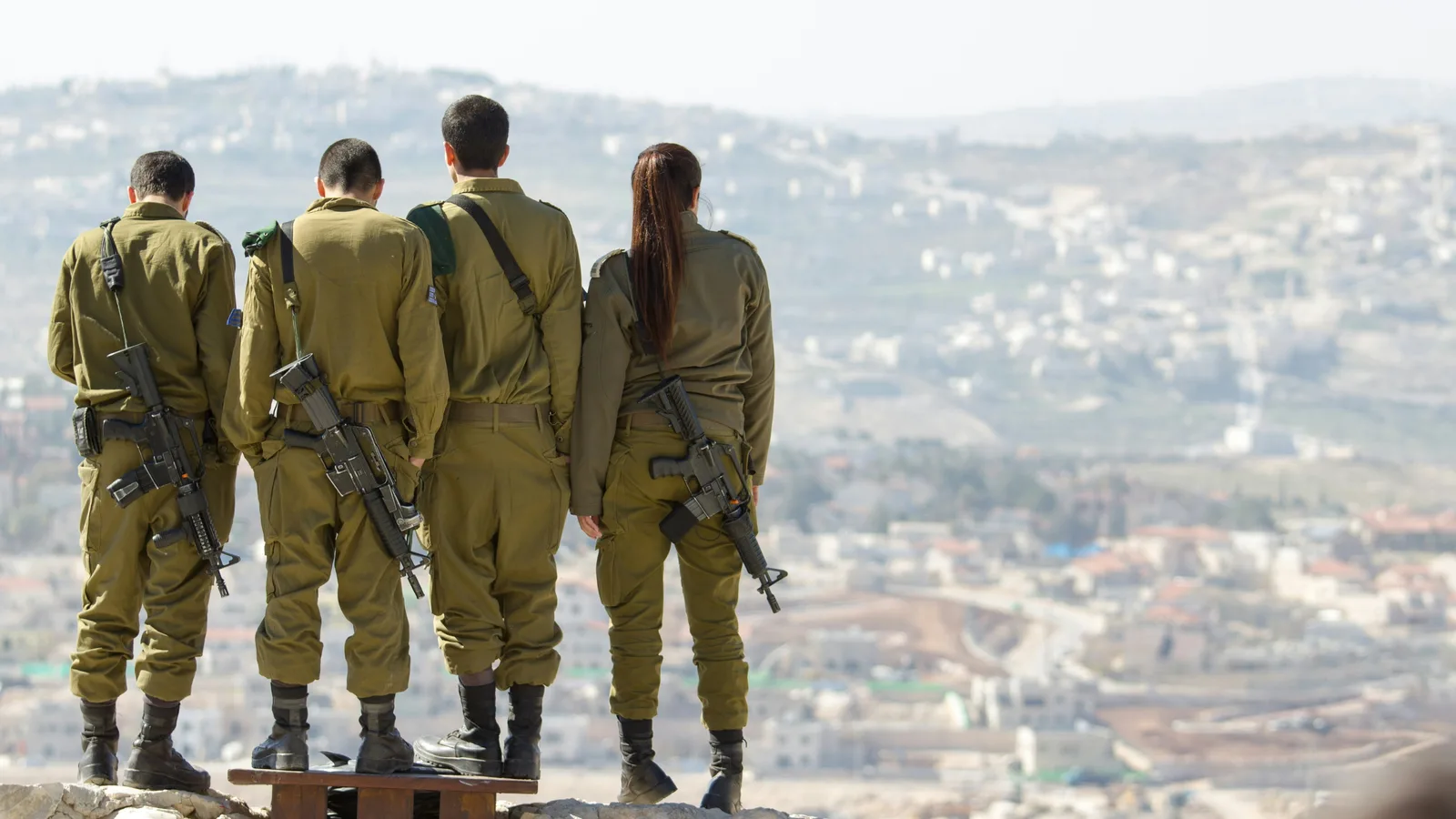
Syria seeks a resumption of security talks with Israel. Foreign Minister Asaad al-Shaibani told Reuters that the diplomatic door remains open. He emphasized great distrust, however, and called for an end to Israeli attacks.
Talks Despite New Tensions
Diplomatic efforts prove difficult. Israel again attacked targets in Syria in recent days. On August 18, Israel bombed the Abu al-Duhur military airfield in Idlib province. Israel justified this with security concerns regarding a possible Turkish military presence. Syria and Turkey rejected Israel's accusations.
A few days later, another Israeli drone strike hit a vehicle in southern Syria. Syrian authorities reported injured civilians. Israel stated the attack targeted a person who posed an immediate threat to Israeli soldiers.
Washington Tries to Mediate
The United States plays a central role in efforts to reach a security agreement. Washington has pushed for an agreement between Israel and the new Syrian government under President Ahmed al-Sharaa for over a year.
According to al-Shaibani, progress occurred in recent months. A possible security agreement was discussed in a lengthy negotiation process. A basic formula already existed on paper. Implementation, however, stalled.
Al-Shaibani emphasized Syria's interest in an agreement. Lasting de-escalation cannot originate from Damascus alone. Israel must also review its military policy towards Syria.
Territorial Issues Remain Unresolved
The Israeli military presence on Syrian territory remains one of the most difficult issues. Syria demands an Israeli withdrawal and a regulation respecting territorial sovereignty. Israel justifies its military activities with security interests.
The Golan Heights also remain a central point of contention. Israel has controlled the area since 1967 and later annexed it. The international community does not recognize this annexation. It largely considers the Golan Heights Syrian territory.
A possible security agreement would therefore need to resolve several issues simultaneously: the military presence of both sides, security zones, border issues, and mechanisms to prevent further escalation.
Turkey Becomes Additional Factor
Besides Israel and Syria, Turkey also plays an important role. Ankara supports the new Syrian government and participates in rebuilding Syrian security structures. Israel views a stronger Turkish military presence in Syria with concern.
The dispute over the Abu al-Duhur military airfield recently exacerbated these tensions. US Special Envoy Tom Barrack therefore proposed a de-escalation mechanism between Israel, Syria, and Turkey. The goal is to prevent military incidents and keep communication channels open.
Direct Contacts Remain Possible
Despite military escalation, diplomatic contacts continue. Following reports of recent tensions, high-ranking representatives of Syria and Israel met on August 23. They aimed to prevent further escalation. The talks show that both sides maintain communication channels despite deep distrust.
A comprehensive peace treaty, however, remains far off. The focus initially rests on security issues and preventing further military clashes. A political resolution of territorial disputes would constitute a significantly larger step.
What Role Could Switzerland Play?
Switzerland possesses extensive experience with mediation and good offices. It offers states the opportunity to hold negotiations on neutral ground. Alternatively, it acts as a mediator and facilitator of talks.
A concrete Swiss mediation role between Syria and Israel is currently not known, however. Switzerland could fundamentally contribute its experience with mediation and confidential discussion formats. This would apply if the parties involved desired it. Swiss good offices remain instruments of Swiss foreign policy.
Diplomatic Window Despite Major Obstacles
Current signals from Damascus show: Syria aims to adhere to a diplomatic solution despite recent attacks. Simultaneously, mutual distrust remains high. Therefore, concrete confidence-building measures would be necessary first for progress.
Whether security talks actually resume also depends on whether Israel and Syria can limit their military activities. The coming weeks could prove decisive for whether existing contacts lead to a robust security agreement.