Zelensky: Wartime Elections Divide Ukraine
Debate on Democracy and Security in Ukraine
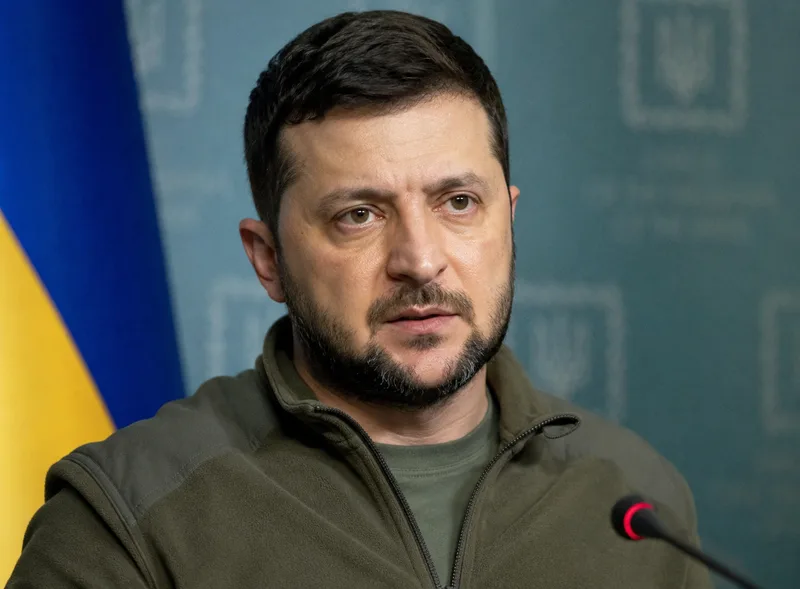
Ukraine Facing the Election Question: Security Issue or Power Struggle?
No national elections have taken place in Ukraine since the start of Russia's war of aggression. The government in Kyiv refers to existing martial law. It argues that free and fair voting is not possible under current conditions.
At the same time, the political debate grows. It questions whether postponing elections can be explained solely by security concerns. It also asks if domestic political interests play a role. President Volodymyr Zelensky faces increasing international and domestic scrutiny.
Zelensky: Elections are Possible – But Not Under These Conditions
Zelensky has repeatedly stated his fundamental readiness to hold elections. At the same time, he demands conditions that the Ukrainian government believes are not currently met. These include security for voters, soldiers, and candidates. Also, millions of Ukrainians abroad must be able to participate.
Critics, however, argue that democratic systems must remain functional, especially during crises. They state that a government without regular elections could face long-term issues with its democratic legitimacy.
Expired Term Sparks Discussions
Zelensky's regular term would have expired in 2024. However, presidential elections did not occur due to existing martial law. The Ukrainian constitution stipulates that no elections take place during martial law.
Proponents of this rule point out that other states can also restrict democratic processes during existential crises. Opponents, however, question how long such an exemption can remain in effect.
Dispute Over Anti-Corruption Efforts Intensifies Criticism
Further discussions arose from disputes concerning Ukrainian anti-corruption agencies. The NABU and SAPO authorities were established to independently combat high-level corruption.
A law intended to restrict their independence led to protests in several Ukrainian cities in 2025. It also drew criticism from the European Union. Following public pressure, the institutions' independence was restored.
Critics saw this as a warning sign for the separation of powers. Government supporters, however, argued that reforms were necessary. They aimed to prevent abuse and potential foreign influence.
Debate Also Grows Within Ukraine
The question of elections is not only debated abroad. Voices within Ukraine also call for an earlier return to normal democratic processes.
Zelensky's opponents argue that political competition and public oversight remain important even during a war. The government counters that an election campaign in the middle of a war could divide society. It could also weaken defense capabilities.
Putin's Ceasefire Offer Adds Tension
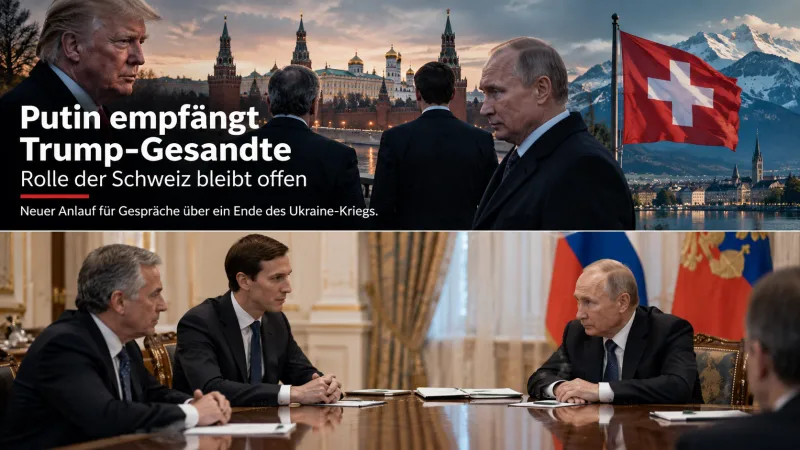
Russian President Vladimir Putin also commented on the election issue. He stated that Russia could support a ceasefire during a possible election process. The Ukrainian government, however, views such statements skeptically. It refers to experiences since the invasion began.
Kyiv argues that a short-term truce is not a sufficient guarantee for a free election. Furthermore, there is a risk that Russia could exploit the election issue to exert political pressure.
The Difficult Balance Between Democracy and War
Ukraine thus faces a fundamental dilemma: A democracy requires elections, yet an existential war severely complicates their conduct.
The crucial question is therefore not only whether elections would be technically possible. It is under what conditions they would genuinely be free, safe, and legitimate.
For Switzerland and Europe, this development remains highly significant. Ukraine is fighting not only for territorial security. It is also fighting for how democratic institutions can be maintained during a war.