A Climate Trade Agreement in Miniature
What ACCTS brings Swiss companies – and why four countries alone will not change the world
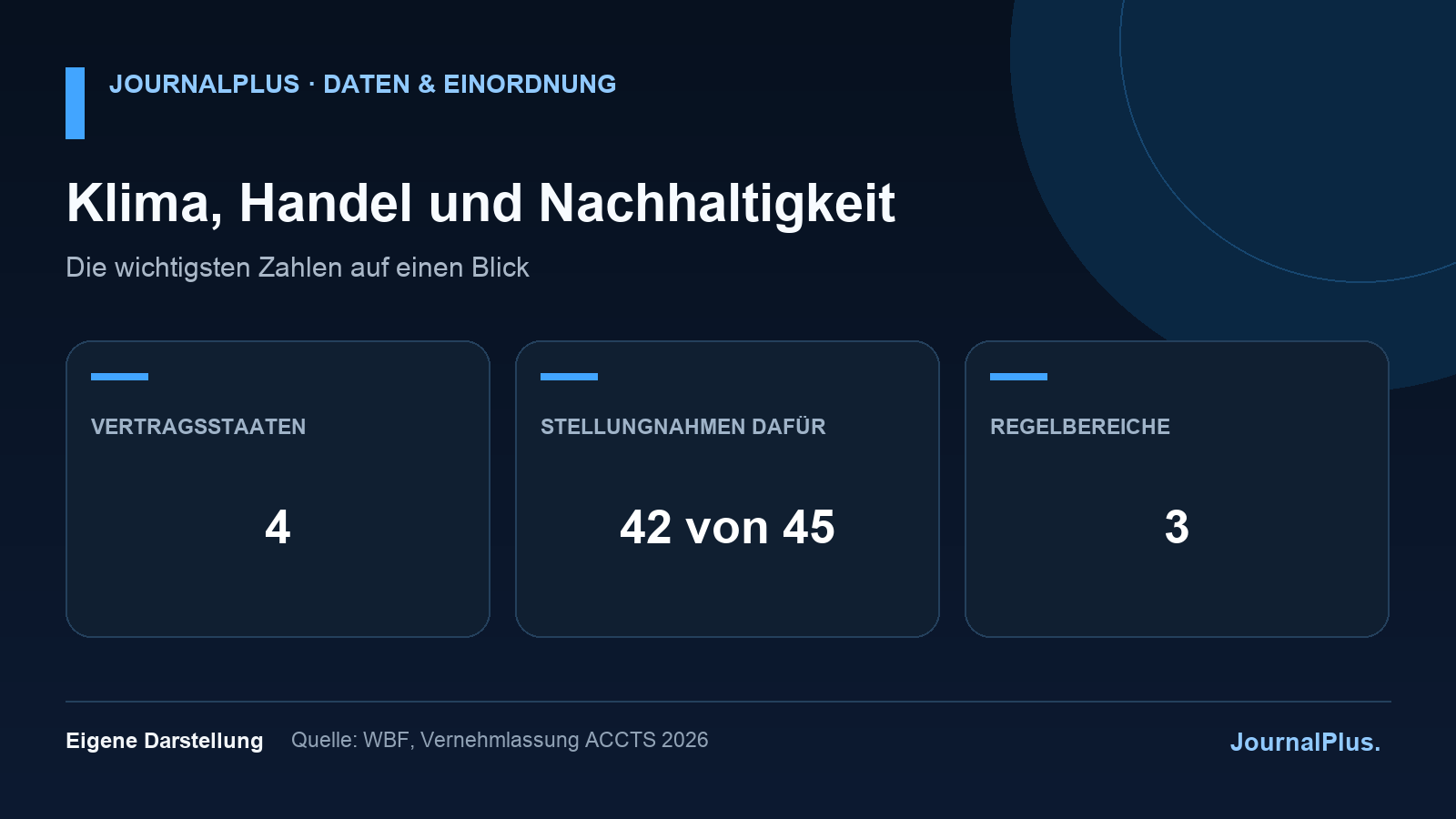
Trade policy and climate policy are often negotiated separately. The Agreement on Climate Change, Trade and Sustainability – ACCTS for short – attempts the opposite. Switzerland, Costa Rica, Iceland, and New Zealand aim to reduce tariffs and barriers for environmental goods and services, discipline fossil fuel subsidies, and establish common guidelines for environmental labeling.
The Swiss consultation process yielded clear results: 42 out of 45 submissions support approval. The National Council had already approved in September 2025. Now, the focus is on further parliamentary deliberation and ultimately whether an innovative agreement becomes a practical instrument.
Three building blocks instead of a classic customs package
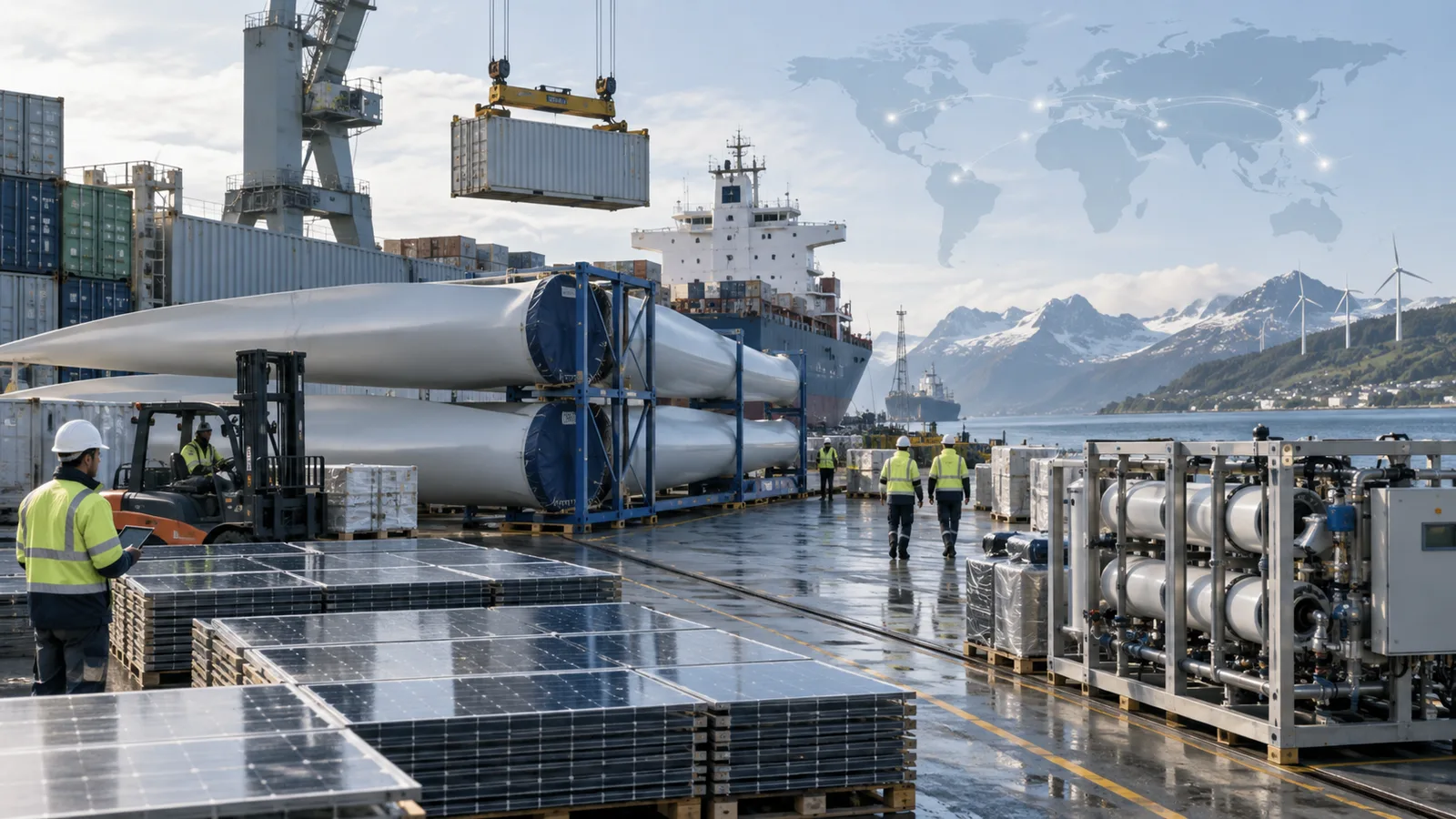
Firstly, trade in selected environmental goods and services should be facilitated. This can include technologies for renewable energy, wastewater treatment, or energy efficiency. For specialized Swiss SMEs, this lowers market entry costs in partner countries.
Secondly, the agreement contains rules on fossil fuel subsidies. Such benefits can artificially cheapen the consumption of oil, gas, or coal and disadvantage climate-friendly alternatives. However, exceptions are foreseen, considering supply security and social objectives. How transparently these exceptions are applied will be crucial.
Thirdly, ACCTS formulates guidelines for environmental labeling. A label should be meaningful, comprehensible, and not merely a hidden trade barrier. This is relevant for consumers because “green” on packaging can mean very different things today.
Opportunities for the Swiss Cleantech Industry
Switzerland has companies in water technology, precision measurement, building efficiency, recycling, and climate-friendly production processes. Open markets can help them win reference projects. At the same time, cheaper imports can increase domestic competition and reduce the cost of clean technologies.
The immediate effect, however, remains manageable. The four partners are politically ambitious, but together they do not form a huge sales market. Even proponents therefore expect more impact if further states join. ACCTS is initially a regulatory laboratory: it shows which environmental provisions fit into a trade agreement and where conflicts arise.
The objections deserve scrutiny
Three submissions rejected the proposal. Risks for public services, working and wage conditions, and a restriction of energy policy scope were cited. Other participants warned against bureaucracy and unclear exceptions. These concerns are not automatically evidence against the agreement, but they mark the points at which implementation must be measured.
Trade liberalization must not weaken public procurement, safety standards, or worker protection through the back door. Conversely, environmental standards should not serve as a pretext to keep out competition. Transparent lists, verifiable criteria, and an accessible dispute settlement procedure are therefore central.
What this means for Switzerland
For households, products will not become cheaper overnight. Gradual effects are possible: more choice in environmental technology, clearer labels, and competition in services. For exporting SMEs, individual eliminated barriers can, however, be directly relevant. They should check whether their products fall under the agreed categories and what origin or proof requirements apply.
The political value of ACCTS currently lies more in standard-setting than in trade volume. Switzerland can show that open markets and climate goals are not necessarily opposites. However, the agreement will only be credible if its impact is published: Which tariffs fell, which subsidies changed, and which companies benefited? Without such figures, a good idea quickly becomes just a green label.
For Swiss exporters, compatibility is also important. Different green standards in each market increase testing and documentation costs. If ACCTS becomes a core to which other countries join and whose criteria are internationally recognized, its benefits could grow significantly. If it remains with four members, it is primarily a political laboratory with a limited sales market.