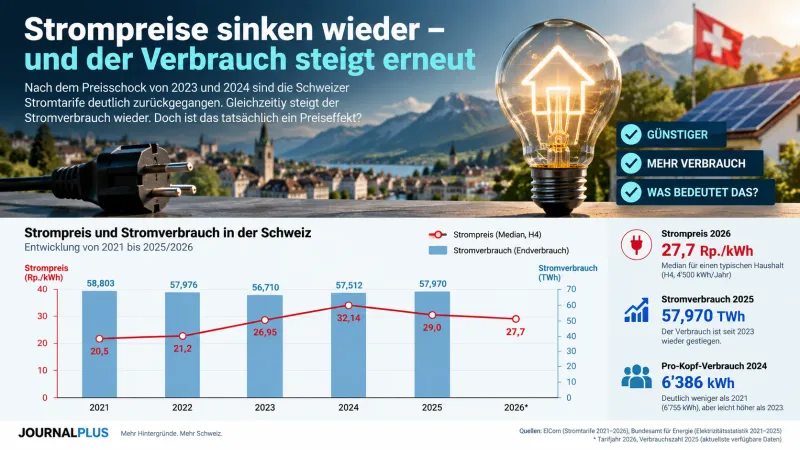
Fuel Prices Rise: Petrol Station Operators Under Pressure
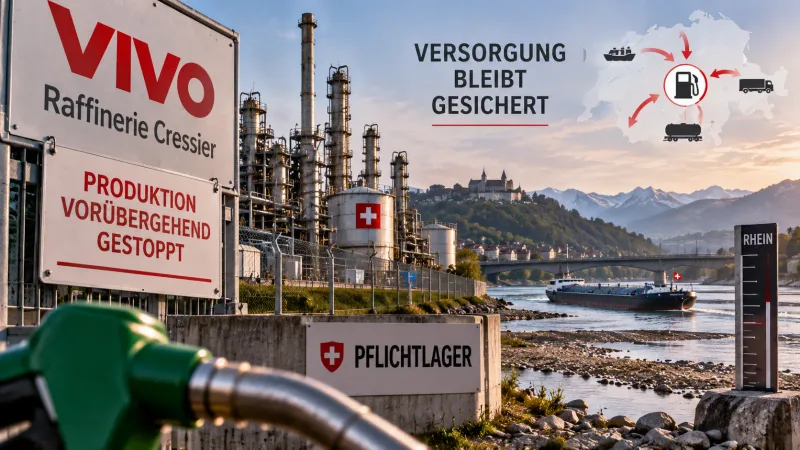
Low Water Levels and Iran War Drive Up Petrol and Diesel Costs
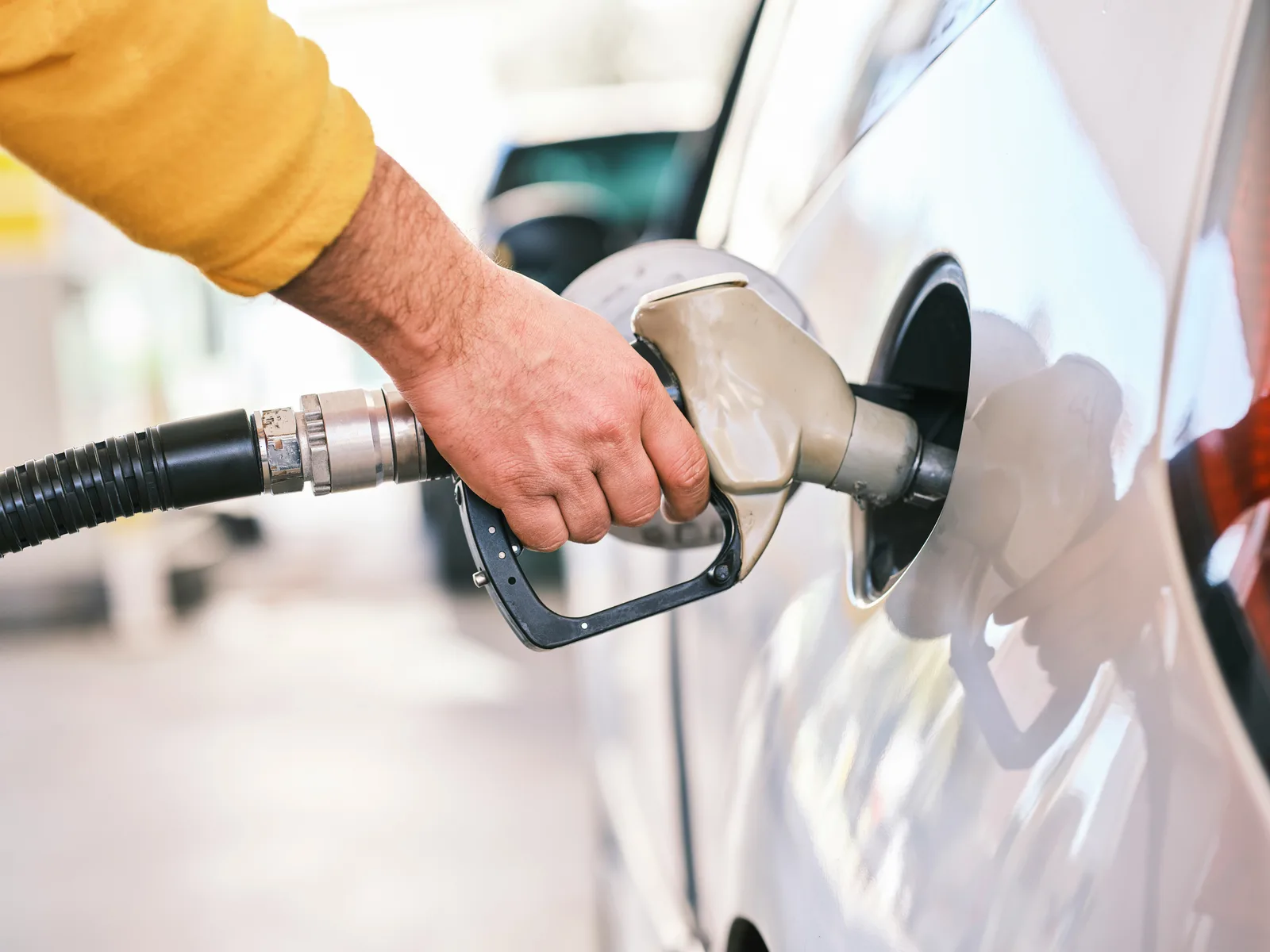
Current market observations and reports indicate a noticeable increase in petrol and diesel prices in Switzerland. Two factors are mutually reinforcing: low water levels on key transport routes and the military conflict in Iran are straining supply and driving up costs.
Low Water Levels Impede Fuel Transport
Low water levels on the Rhine and other waterways make fuel transport difficult. Ships can carry less cargo or must switch to alternative, more expensive routes. Switzerland relies heavily on imports via waterways. Bottlenecks lead to higher transport costs, directly affecting prices at the pump.
Petrol station operators report rising procurement costs. Smaller providers feel the pressure particularly, as they have less bargaining power with suppliers. Margins are shrinking, while prices for end consumers increase.
Iran War Drives Global Oil Prices
The military conflict in Iran is burdening global oil markets. Iran is a significant crude oil producer, and uncertainties about supply security are causing prices to rise on world markets. Even if Switzerland is not directly dependent on Iranian oil, global price fluctuations immediately impact domestic fuel costs.
A potential escalation of the conflict or its expansion into neighboring states could lead to further price increases. Supply security in the region remains strained.
Impact on Freight Forwarding and Road Traffic
Freight forwarding companies are already calculating with higher operating costs. Diesel accounts for a significant portion of total costs. Rising prices strain margins and could, in the medium term, affect transport prices and thus the cost of goods.
Private individuals also feel the price increase. Commuters and frequent drivers must pay more. Industry associations are affected by the rising prices and see little short-term room for maneuver to stabilize the situation.
This development shows the vulnerability of Switzerland's fuel supply. External factors like climate change and geopolitical conflicts directly affect prices. Long-term solutions, such as the expansion of renewable energies and electromobility, are once again gaining focus given the current situation.