
Genuss Week: 310 kilos of food waste is not just kitchen scraps
Switzerland celebrates its food culture. The balance of food losses shows why good enjoyment begins before the plate.
A good meal often begins with a choice: ripe fruit, fresh bread, the vegetables for Sunday. During the Swiss Genuss Week from 17 to 27 September 2026, this attentiveness to food is the focus. Less visible is what is lost on the way to the shop or after the meal. That is where a second story about the value of our food culture lies.
According to the Federal Office for the Environment (BAFU), Swiss food consumption generates around 2.8 million tonnes of avoidable food losses every year. That works out at roughly 310 kilograms per person. The figure is striking – and easy to misunderstand. It does not describe the contents of the private bin. It covers losses along the entire chain, including those incurred abroad for food consumed here.
The limits of your own kitchen
Anyone who attributes the total solely to households shifts responsibility. Agriculture, processing, retail, catering and private kitchens all form part of the balance. Imported food also brings losses that occur beyond national borders. Conversely, a statistic on waste inside Switzerland answers a different question than a balance of Swiss consumption.
According to BAFU, avoidable losses have so far fallen by five percent compared with 2017. The national target is a halving by 2030. Progress and the remaining distance to the target can therefore be observed at the same time. The available figures mean neither that individual efforts are ineffective, nor that a few better shopping lists would be enough to change the whole system.
For Genuss Week, this is a helpful broadening of the view. Quality is not exhausted by where a product comes from or how it tastes. Whether it is eaten at all is part of it too. A carefully produced item does not fulfil its purpose if it is later discarded unused.
A tonne is not always the same burden
Weight alone does not capture the environmental impact. The interim monitoring report by the Zurich University of Applied Sciences (ZHAW), commissioned by the federal government, shows this by way of example for fish and seafood: these account for 2.8 percent of the recorded loss quantity but 6.3 percent of the associated environmental impact. The two shares measure different things and must not be equated.
That does not mean bread or vegetable losses are unimportant. It means that a strategy based on kilograms may set different priorities than one based on environmental impact. Production, the use of resources and further steps up to consumption all play a part. Anyone looking only for the heaviest bin may overlook a smaller quantity with a greater burden.
For shopping, a modest but useful consequence follows: foods produced with particular effort deserve just as careful quantity planning as inexpensive staples. The promotional price on the receipt is no measure of the resources lost if the food is later thrown away.
Throwing away less does not mean taking every risk
With date labelling, precision is decisive. The Federal Food Safety and Veterinary Office (BLV) distinguishes between the best-before date and the use-by date. The first concerns the assured properties when stored correctly; after it expires, a food is not automatically spoiled. The use-by date, by contrast, is linked to safety for easily perishable products. The two are not interchangeable warning labels.
Nor would the well-meant advice to simply keep everything longer be right. Refrigeration, clean handling and separating raw from ready-to-eat foods remain important. Anyone who wants to rescue leftovers must treat them in such a way that the saving does not become a health risk. The official hygiene guidance is more reliable for this than blanket promises about a specific number of extra days.
Another look at the Saturday shop
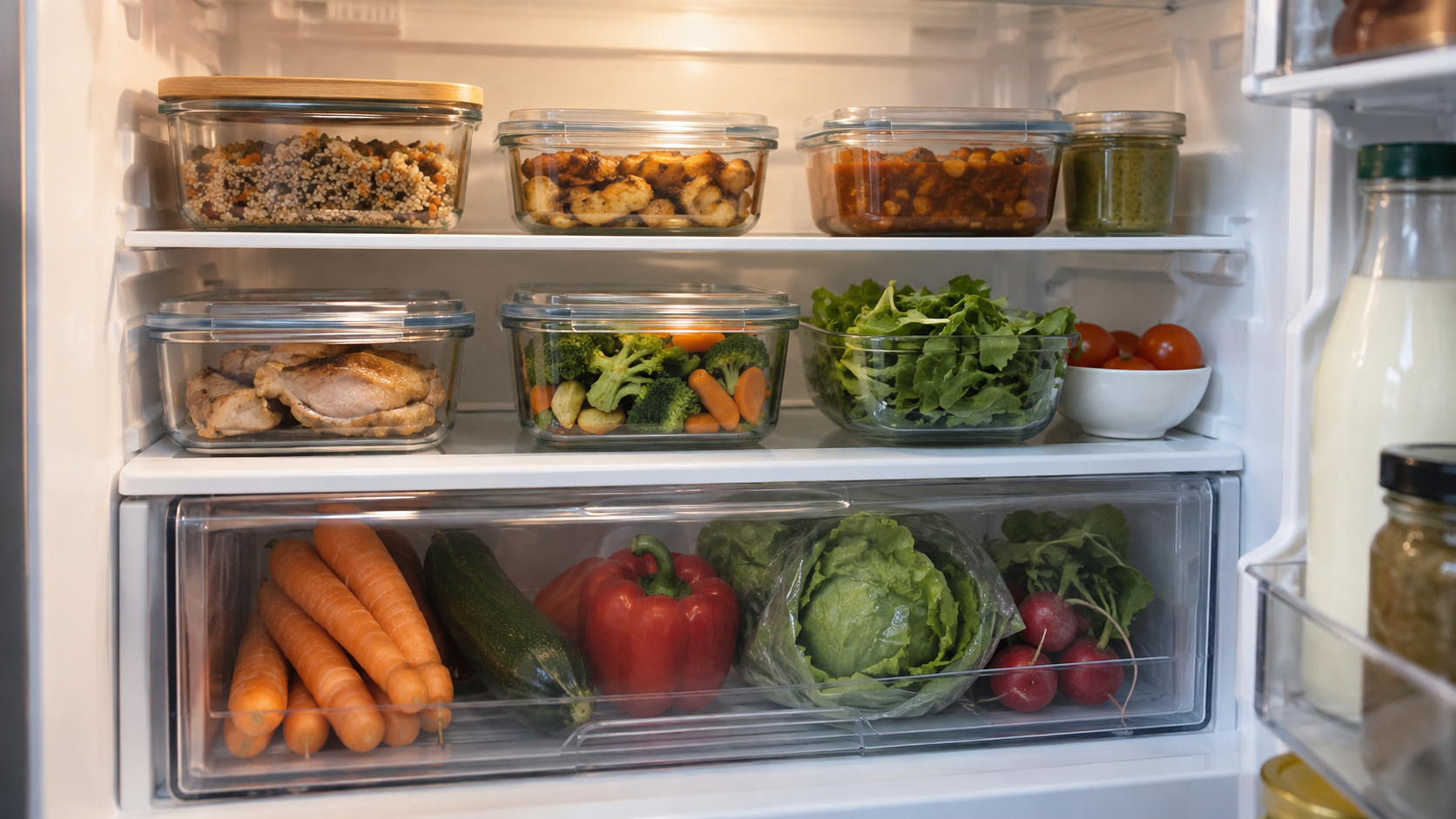
In practice, less waste begins before the shop: what is already there, which meals are actually planned, which quantities are needed? A smaller first portion can be topped up if required. Clearly stored leftovers are more likely to be noticed in time. These are options for action, not a guarantee of a specific personal saving rate.
Genuss Week need not become an exercise in abstinence because of this. It can sharpen the eye for the fact that a good product deserves more than admiration on the shelf. Full enjoyment does not end at the purchase. It ends where the food is eaten – and the resources used for it have fulfilled their purpose.
Sources
Switzerland Tourism: Genuss Week 2026 · BAFU: Food waste · ZHAW: Interim monitoring report 2025 · BLV: Food labelling · BLV: Food hygiene