Iceland plans fee for nature sites – what travellers really pay
The draft does not cover all of Iceland, but three particularly visited state-owned natural sites. For travellers, beyond the price, what matters most is how the access system is meant to work.
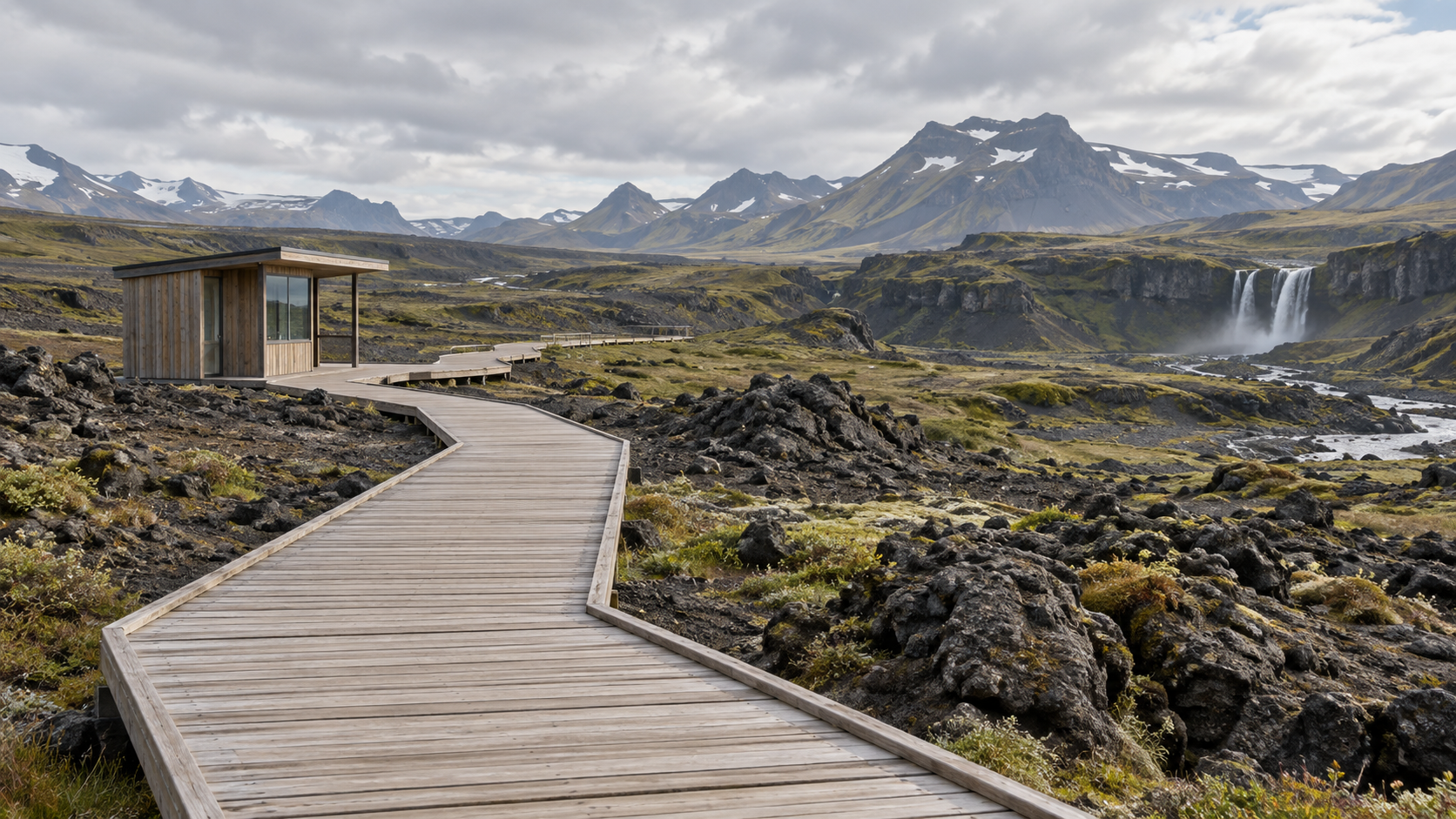
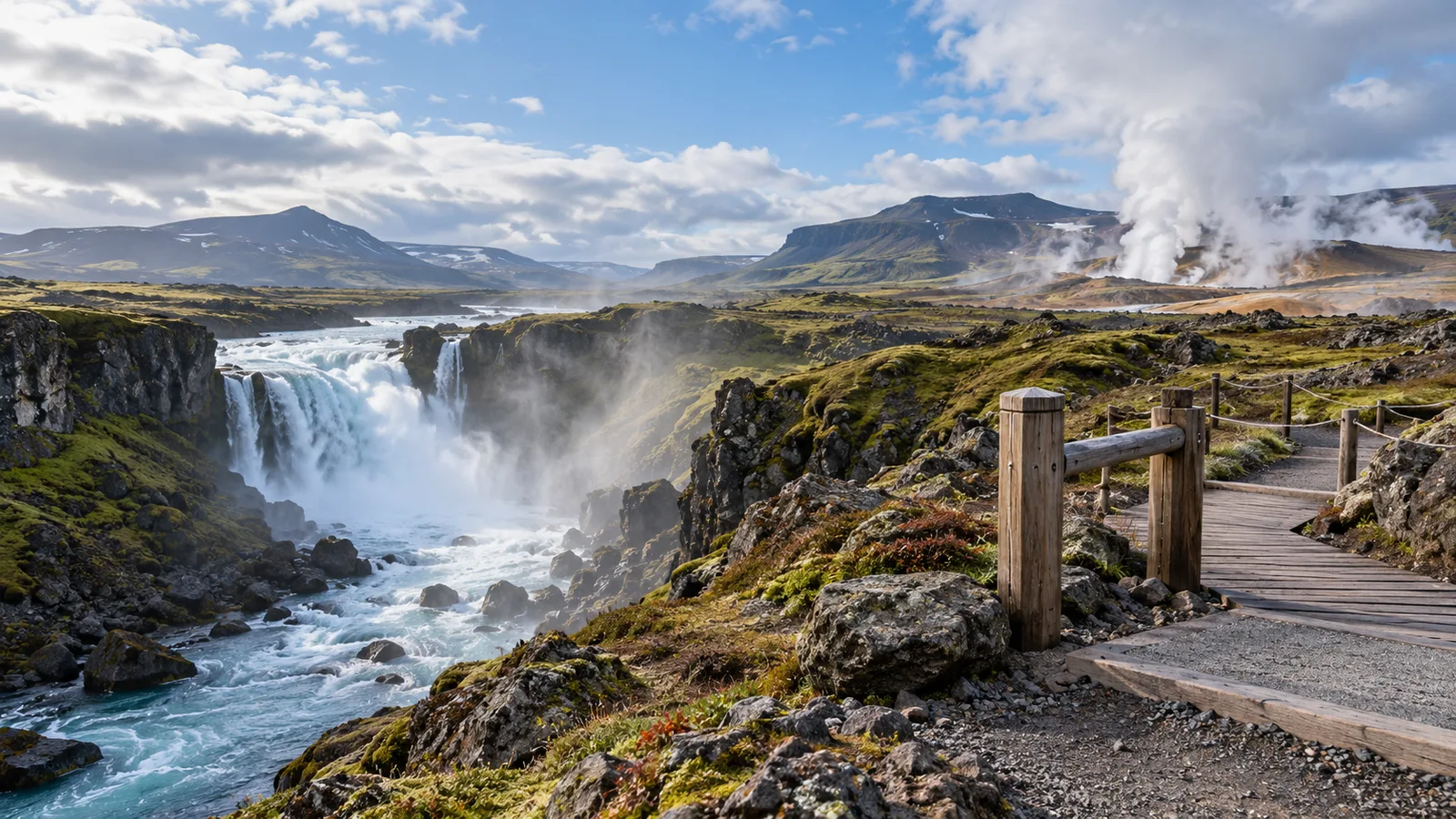
Iceland wants visitors to three of its best-known natural sites to pay up in future. But the label “tourist fee” is misleading. The bill that went into public consultation on 22 September provides for neither a nationwide levy nor a surcharge on flight tickets or overnight stays. What is planned is a nature and infrastructure fee for access to Geysir, Gullfoss and Þingvellir National Park.
For travellers from Switzerland the distinction is practical: anyone who does not visit any of these sites would not be affected by the new system. Anyone who builds all three into a round trip would be granted access for a year with an electronic access pass — not merely for a single visit.
A draft, not a decided fee
Iceland’s Ministry of Economic Affairs has put the proposal into consultation. A start on 1 May 2027 is envisaged. Whether it comes to that is for parliament to decide; until then details of the bill can change.
The fee would apply to people aged 18 and over who are not tax resident in Iceland. What would be decisive, then, is not nationality but tax residence. In the high season from 1 June to 30 October the one-year access permit is to cost 4,500 Icelandic krónur, and 3,000 krónur from 1 November to 31 May. People who are tax resident in Iceland would also have to obtain a QR pass under the draft, but would pay no fee.
That sets the proposal apart from many classic visitor levies. It would be due neither per overnight stay nor per day, and at first it would cover only three state-managed, especially heavily visited places. Tour operators are to be able to buy the passes for their customers in advance. Whether the digital processing actually runs smoothly at the sites is one of the questions the consultation must settle.
Three sites instead of one Iceland pass
Geysir, Gullfoss and Þingvellir lie on the so-called Golden Circle route and are part of the standard programme on many Iceland trips. That is precisely why the measure could change travel planning more than its amount suggests: it hits not a fringe activity but an established day route from Reykjavík.
At the same time it would be wrong to speak of a general entry fee for Iceland. The draft covers neither remote landscapes nor all national parks. Anyone planning a trip without these three sites would not pay a new access fee. Conversely, the annual validity could pay off for people who return to Iceland within a year or who plan longer stays. The proposal thus creates an incentive to spread visits differently in time and in geography — whether it achieves this, however, is an expectation, not a demonstrated effect.
Parking fees are to be dropped
The government justifies the fee with safety, managing visitor pressure and value creation in tourism. By its estimate, six to seven billion krónur could be collected annually; for 2027 it reckons with around five billion because of the possible 1 May start. These figures are government forecasts, not assured revenue.
The flip side also matters: where the new fee would be charged, state parking fees are to be no longer permissible. For Þingvellir this would explicitly replace the current parking fee. For rental-car travellers, therefore, it is not the new price alone that matters but the total bill of access, parking and route.
Iceland already has a separate infrastructure charge system for international cruise ships. Current law shows that the country distinguishes different financing instruments by mode of transport. The new bill would be another, differently constructed component — not a uniform fee for all guests.
What Swiss travellers can take from this now
Anyone planning an Iceland trip in 2027 currently has nothing extra to pay. The bill is in the consultation process and is not law in force. For trips already booked, then, the rule is: contractual terms and the operator’s official notices are more informative than blanket reports about a new “tourist tax”.
If parliament adopts the bill, the decisive point would not be the label but the implementation: How is tax residence checked? How well does the QR pass work without a continuous mobile connection? And does the money flow back verifiably into safety, paths and nature conservation? Only the answers to those questions decide whether a targeted access fee becomes a credible instrument against overcrowding — or merely a new hurdle on the country’s most popular travel route.