Offline Card Payments: Industry Solution Boosts Supply Security
New Industry Solution Launched in Bern
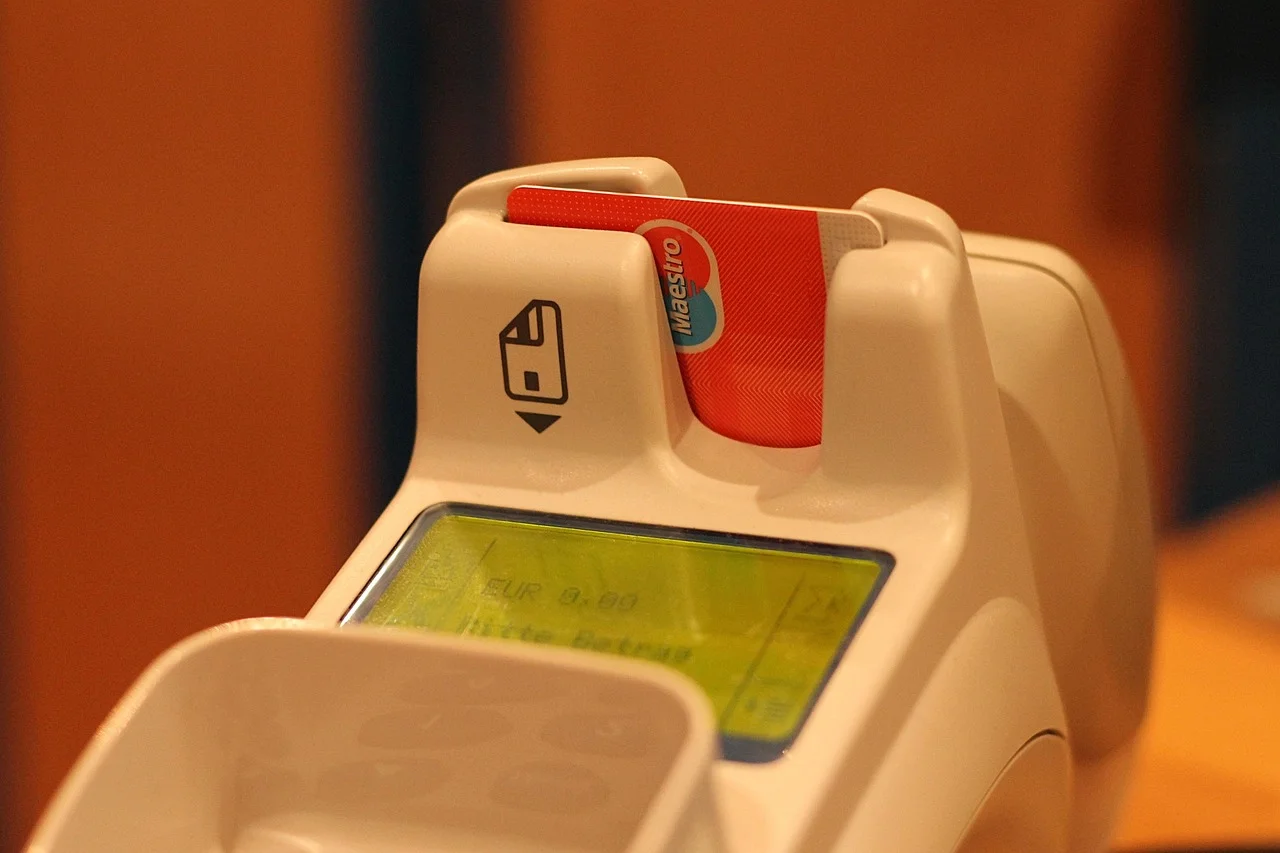
On August 24, 2026, the Federal Office for National Economic Supply (FONES), the Swiss National Bank (SNB), and representatives from banks, payment service providers, and retail launched an industry solution for offline card payments in Bern. The solution was presented to the public at an event in Bern. This declaration of intent is voluntary. It aims to maintain electronic payment transactions even if data or communication connections fail. FONES and the SNB coordinated the solution. Widespread implementation is planned by the end of 2027.
Electronic payment traffic is central to supply security in Switzerland. If data connections fail, trade in essential goods like food, medicine, or fuel can be rapidly affected. Causes include cyberattacks, power outages, or natural disasters. Cash offers an important alternative, but it is not always sufficient. "A functional electronic payment system in retail is central to supply security," federal authorities stated in a media release.
How Offline Payments Work
Offline card payments complement the existing system. The payment terminal stores the transaction and transmits it once the connection becomes available again. This is possible exclusively with physical debit or credit cards and a PIN entry. No additional payment cards are necessary. Existing retail card readers only require reconfiguration. However, the terminal needs a power supply, for instance, via the electricity grid, a battery, or a generator. "Offline card payments enable electronic transactions even with an interrupted online connection," the Federal Office for National Economic Supply (FONES) notes.
Customers notice no difference during normal operation. Payments occur as before with a card and PIN. Only if the connection is interrupted does the terminal save the payment and forward it later. This makes shopping possible even in extraordinary situations. The solution requires no new behavior from consumers. The technology operates in the background and is usually not visible to payers.

Widespread Introduction by End of 2027In a joint declaration of intent, market participants committed to gradually introducing offline card payments. This agreement already covers a large part of the food retail sector. Other retailers can join at any time. The goal is widespread introduction by the end of 2027. As of August 2026, commitments for 16.5 million offline-capable debit and credit cards exist. Card issuers have thus pledged to activate their physical cards for offline operation. Without these commitments, the industry solution would not be implementable.
Switzerland is the first country in Central Europe with a broadly supported industry solution for offline card payments. A similar system already operates in Sweden. Other Northern European countries are following suit. The Swiss solution relies on collaboration between authorities and the private sector. It aims to complement the existing payment system, not replace it. FONES and the SNB lead the implementation efforts.

Open Questions and Outlook
The names of participating retailers and banks are not mentioned in the media releases. Specific technical specifications and conversion costs are also not public. It remains unclear how offline card payments affect mobile payment services via smartphones. The industry solution is voluntary; no legal obligation exists. Authorities have described the solution as a building block for supply security. Its everyday impact is not yet fully determined.
Nevertheless, the solution represents an important component for supply security. It supplements the existing system and can, in an emergency, prevent retailers from accepting only cash. Whether it proves effective in daily use will become clear once the first terminals operate offline. Those responsible refer to the timeline: the solution should be widely available by the end of 2027. The stated goal is to make payment transactions more resilient.