Archive
2026

Animal testing: numbers fall, heaviest burdens rise
The new federal statistics contain two developments at once: fewer animals in experiments overall, but more animals in severely burdensome experiments. A single figure does not tell the whole story.

Cancer before 50: Why causes matter more than quick answers
More cancer diagnoses among younger people call for a more precise debate: which trends are documented, what remains unresolved – and when should people in Switzerland seek medical advice?
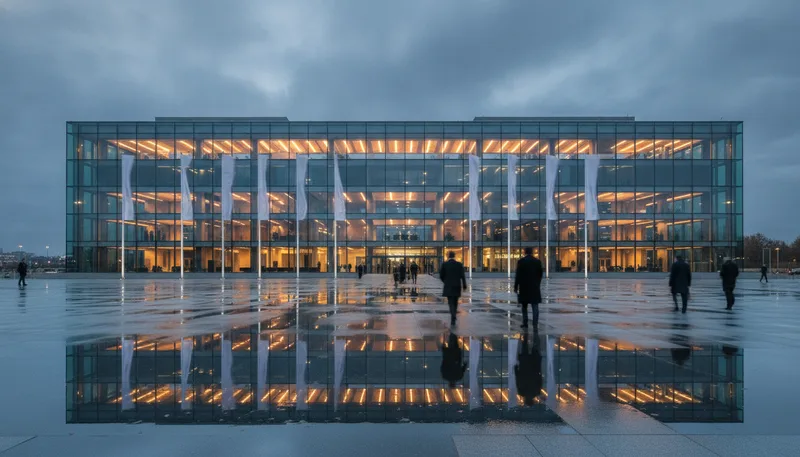
Warsaw Security Forum: What Switzerland Wants to Learn from Poland
The Swiss delegation is travelling to the Warsaw Security Forum to exchange experience on hybrid threats and European security. What matters is how much of it feeds into Switzerland's own assessment of the situation.

AI fakes: trust starts with the right question
AI fakes change how we check information. For Switzerland, more than technology is at stake: fraud protection, media literacy and transparent rules for content of public interest.

Cassis in the South Caucasus: What Switzerland can deliver
Switzerland travels to a conflict-scarred South Caucasus as OSCE chair. What counts is not fine words but the protecting power mandate, the Geneva talks and dependable contacts.
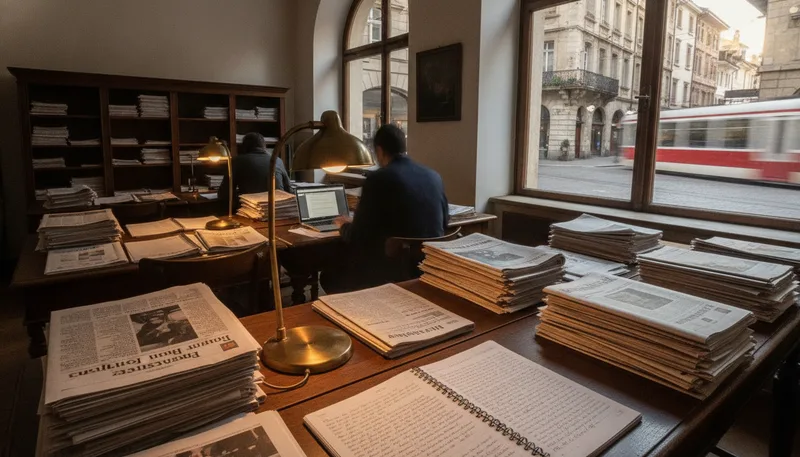
Free media: the democratic infrastructure behind the daily news
Free media strengthen democracies not through agreement but through investigation, criticism and traceable information. In Switzerland they are better off than in many places – but not beyond economic pressure.
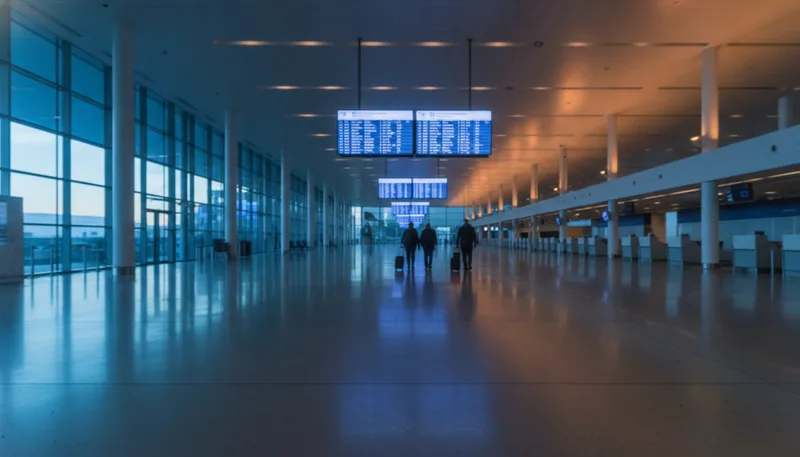
Flights to Saudi Arabia: What Swiss travellers must check now
Flight cancellations after the attacks on Saudi Arabia also affect transit and business travel. A practical overview for Swiss travellers – without false safety promises.

Wrong Name in Surgical Report: Why Documentation Is Patient Safety
A wrong name in a surgical report does not automatically mean a wrong operation. Still, the incident shows why documentation, teamwork and internal controls in hospitals are relevant to safety.

New occupational codes: why good labour market data needs translation
New occupational codes sound like an administrative detail. In fact they help determine whether changes in the Swiss labour market are comparable, visible and correctly interpreted.

Navi Pillay wins Nobel Peace Prize: a signal for international law
The Nobel Peace Prize for Navi Pillay honours a jurist, but it also sends a signal to institutions of international law. Why that amounts to more than symbolic politics for Switzerland.

Lung cancer: why old smoking patterns still resonate
Lung cancer mortality in Switzerland mainly tells the story of earlier smoking habits. What the new analysis means for prevention, care and today's tobacco policy.

Diesel deal and Zelensky: what Trump's attack changes politically
Trump's statement after the diesel deal with Russia sharpens the dispute with Kyiv. The key question is not whether he can “replace” Zelensky, but what the pressure means for negotiations and sanctions.

Britain overhauls refugee protection – Switzerland holds off on Syria
Britain wants to time-limit and review protection status for new asylum claims. Switzerland is changing its Syria practice but is not revoking existing recognitions across the board.

PRAC in February 2027: A meeting date is not yet a drug warning
From 8 to 11 February 2027, the EMA's PRAC risk committee will meet. The date alone is not a drug warning, but its decisions can affect Swiss authorisations.

Yandex outage in Vladimir: what the incident shows about resilience
Yandex reports an outage after a drone attack. The disruption is confirmed; attributions, damage and consequences must be examined separately.
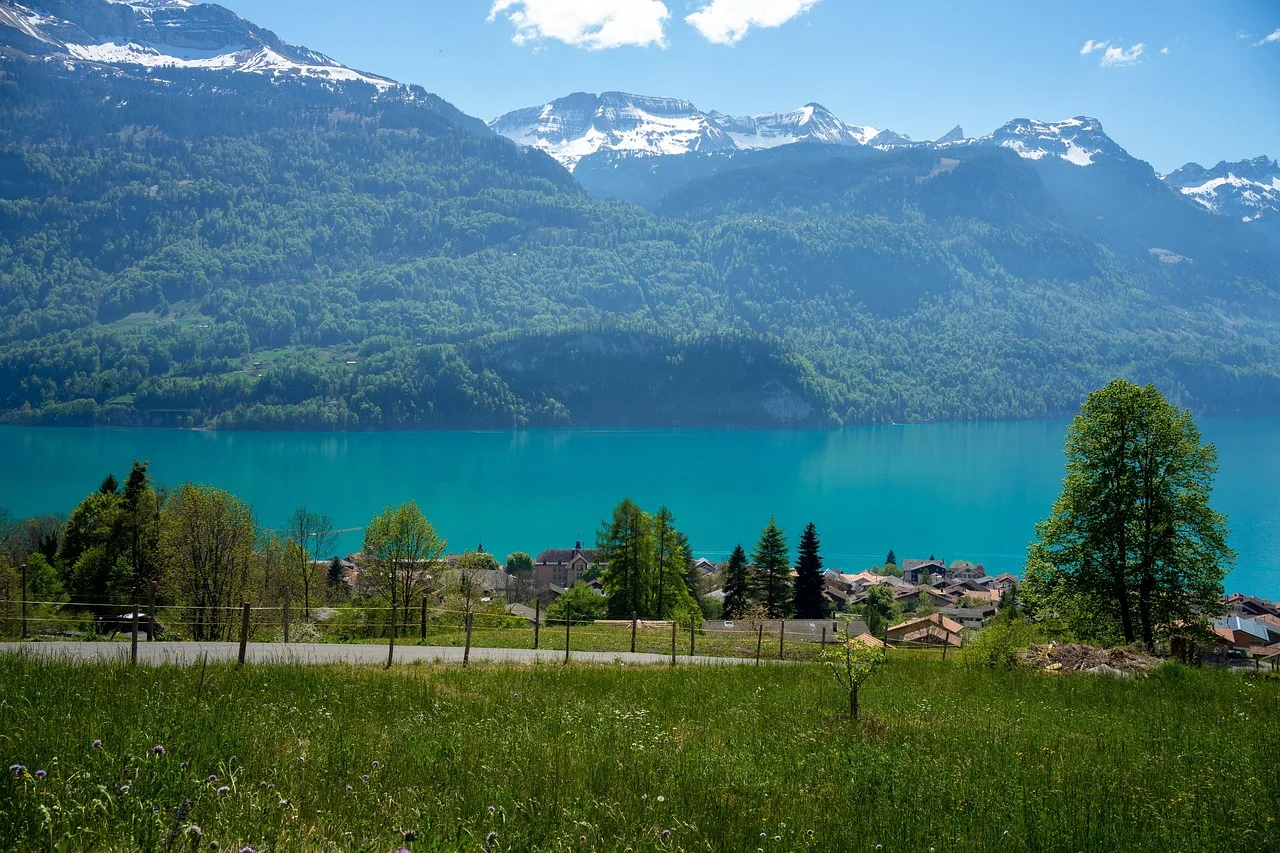
Low Lake Zurich: A single value does not explain the water level
According to hydro data, Lake Zurich sits below its long-term average. Whether a record low or a lasting water crisis follows from that cannot be derived from a single measurement.
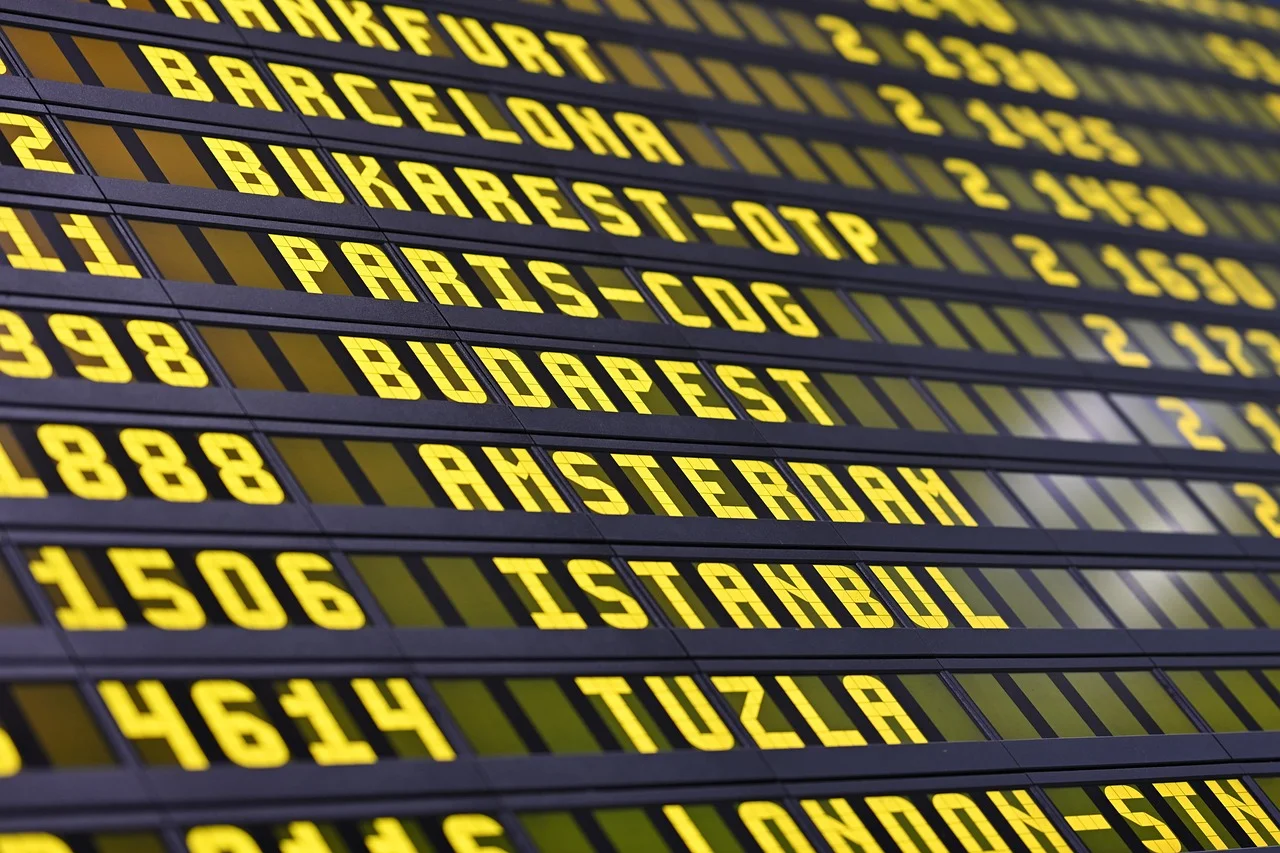
An attack on an airport is not automatically a war crime
An airport attack can endanger civilians and trigger serious violations of the laws of war. Whether it amounts to a war crime can only be judged on verifiable facts.
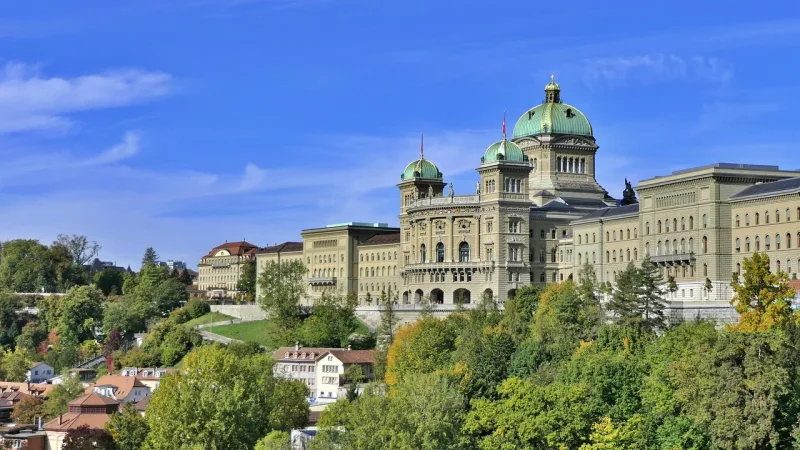
Federal Council candidacies: what public signals really mean
Magdalena Martullo-Giezendanner and Thomas Imark do not rule out a Federal Council candidacy. What matters first, however, is a vacancy, the party's decision and the election by the United Federal Assembly.

Travel advisory is not an entry ban: What Swiss travellers must check
Federal travel advice is not an automatic entry ban. For Swiss travellers it is a safety instrument – alongside entry rules, insurance cover and their own risk assessment.
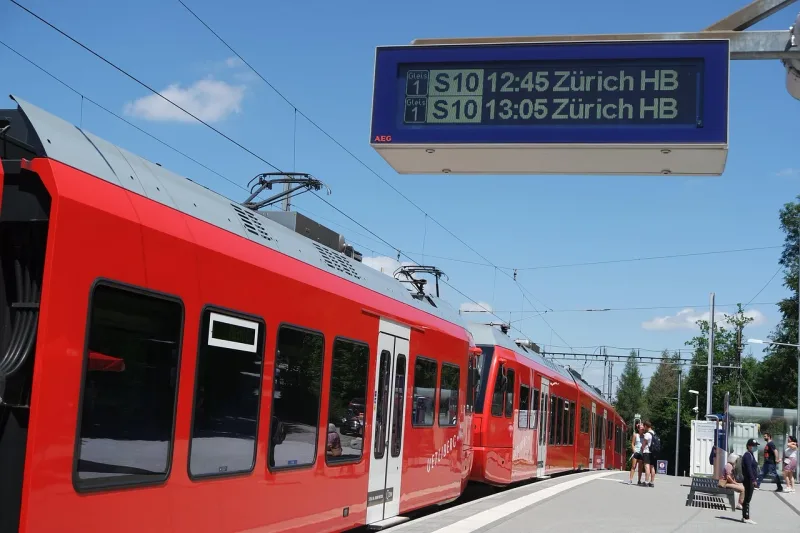
Zurich's AAA Outlook: Why a Rating Is Not a Bill
According to a report, S&P has set the outlook for the City of Zurich's AAA rating to negative. What that means, what remains open – and why the grade is not the same as an interest rate increase.

AI in Switzerland doesn't simply replace jobs – it changes tasks
AI changes tasks, skills and the organisation of work. For Switzerland, the latest data show both growing employment and a persistent shortage of skilled labour.
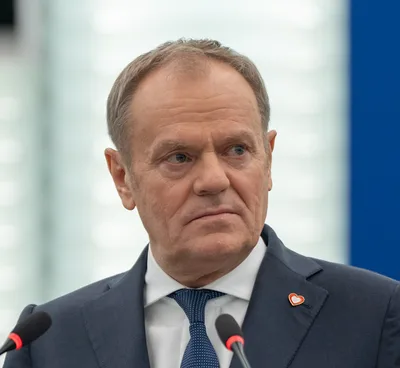
Poland checks reports of attack plans against Tusk, Kosiniak-Kamysz
According to consistent reports, Polish authorities are examining indications of a possible threat against Donald Tusk and Władysław Kosiniak-Kamysz. What is certain: many decisive questions remain open.

How Bern handles Russia, Hamas and Iran under three legal regimes
Switzerland adopts, issues and reviews sanctions on different legal bases. A comparison of the three dossiers shows what neutrality requires in law – and what it does not.

SNB communication: Why a speech is not the same as a rate decision
Why do markets react to sentences from central banks? The latest SNB speech shows that communication accompanies monetary policy – but it replaces neither the quarterly decision nor a concrete rate forecast.