Newsroom
JournalPlus Redaktion

Bedbugs and Air Travel: What Travellers Really Need to Know
Bedbugs are not a typical travel illness, but they can travel as stowaways in luggage. What actually helps with accommodation, hand luggage and the return home – and why frantic spraying can be the wrong response.
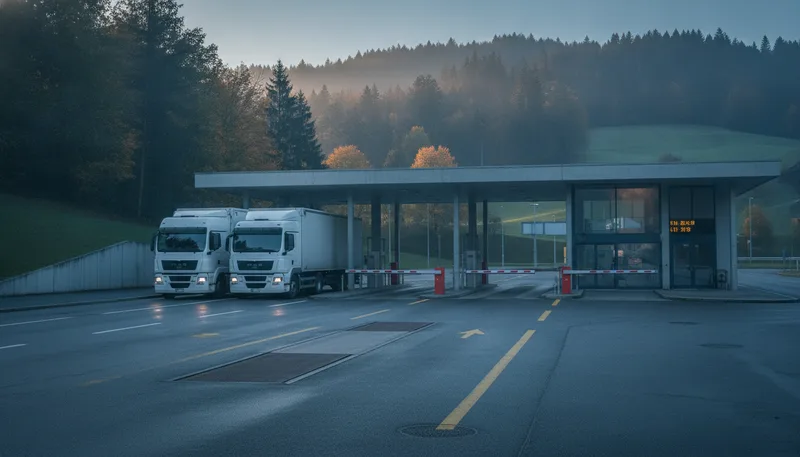
Customs goes digital – but nothing changes at the border yet
After the legal revision comes the detail work: until late January, cantons, associations and other circles can comment on the ordinance package for the Federal Office for Customs and Border Security. For travellers and firms, one point matters most: the rules do not enter into force right now.
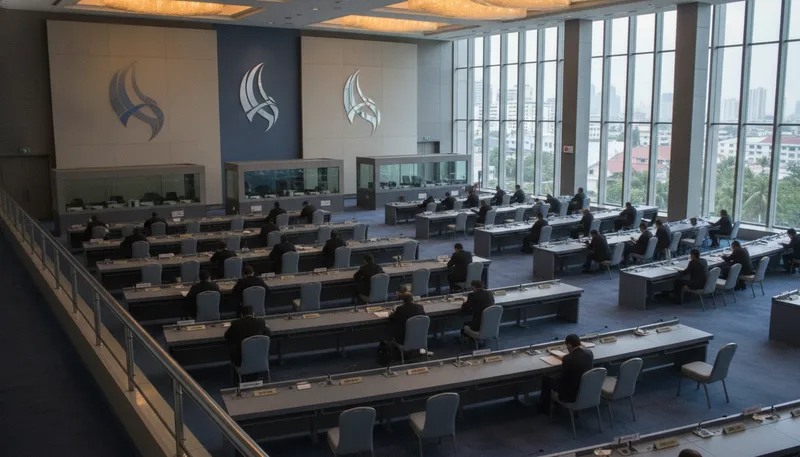
Three Swiss Top Representatives Travel to Bangkok – Here's What's on the Agenda
This week in Bangkok, the focus is on global trade, debt, financial stability and development. Switzerland also plans to sign a new partnership with the IMF and to commit a total of 40 million Swiss francs to it by 2030.

IMF: The global economy is growing — but not together
The IMF expects further global growth. Behind the figure lies a widening gap: countries with AI investment or favourable trade terms are doing better than energy-importing and lower-income states.

Lufthansa wins TAP tender – but has not yet bought the airline
Portugal's government has selected Lufthansa as the buyer of a minority stake in TAP. That is a strategic breakthrough – but neither a completed purchase nor an immediate change for travellers.

New beach rules in Tenerife? They only apply in La Laguna
Smoke-free swimming zones, no overnight stays and no loud speakers: in La Laguna in north-eastern Tenerife a new ordinance for municipal beaches and natural pools has been definitively adopted. But anyone turning it into an island-wide law is mistaken.

Switzerland opens consultation on new digital trade agreement
The Federal Council has opened the consultation on the plurilateral Agreement on Electronic Commerce. The so-called E-Commerce Agreement does not concern online shops alone: it sets rules for cross-border digital trade in goods and services. Before Switzerland can approve the agreement, the consultation runs until the end of January 2027.
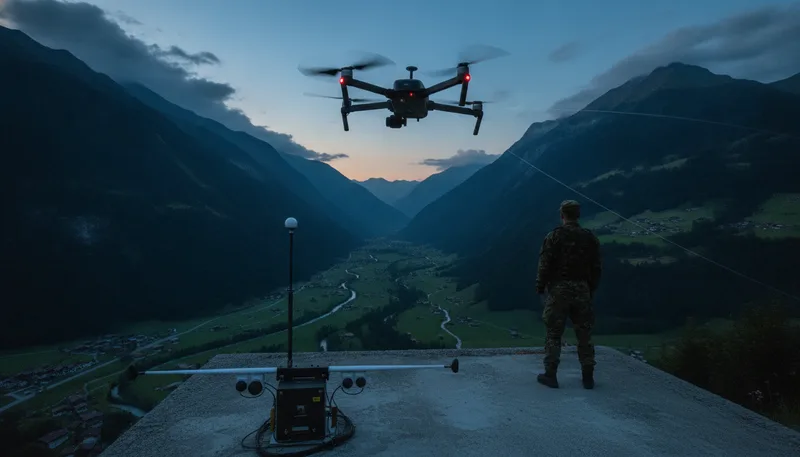
Counter-drone defence: what Switzerland is actually building now
Unidentified flying objects cause unease, but calling Switzerland entirely unprotected goes too far. First systems are in service; the decisive build-up of technology, training and responsibilities still lies ahead.
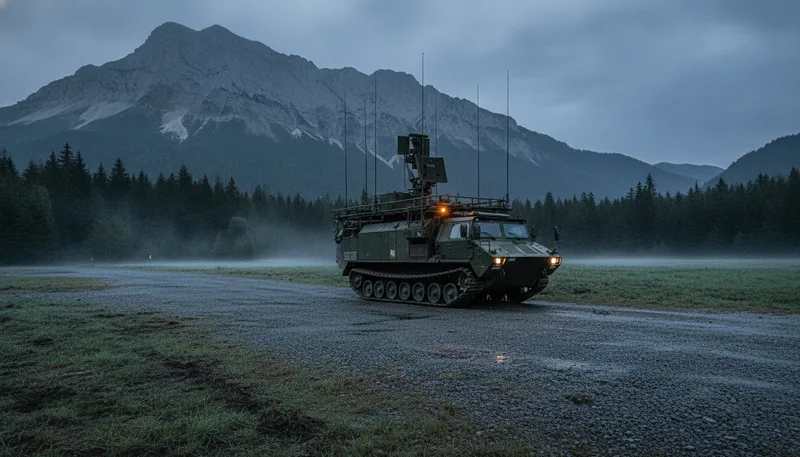
Switzerland joins European Knifefish programme
Switzerland may join the "Knifefish" MoU, a European procurement framework for systems that detect, influence or jam electromagnetic signals. The step opens the door to cooperation but commits Bern to no individual purchase.

EU Packaging Regulation: For Small Firms, Where You Sell Now Counts
Europe's packaging regulation does not raise pressure on companies equally across the board. What matters is the role in distribution, the volume of packaging and the country where the packaging is placed on the market.

Nördlich Lägern: What Is Decided – and What Is Not
Nördlich Lägern is earmarked as the site for a Swiss deep geological repository. Before a repository could be built, however, technical reviews, political decisions and possible democratic votes lie ahead.

EU-China trade: Berlin wants Europe's trade policy to be more resilient
In EU-China trade, Berlin is calling for a more robust European approach. What has been decided – and what it means for Switzerland.

APNs against the doctor shortage: relief only with clear rules
The shortage of family doctors is increasing pressure on Switzerland's healthcare system. The federal government is also relying on Advanced Practice Nurses. Their potential is real – but simply shifting tasks will not solve the supply problem.

AI in healthcare: where responsibility stays with people
Artificial intelligence can support health professionals. Whether it benefits patients, however, is not decided by the algorithm alone, but by data quality, testing and clear responsibility.

GZO Spital Wetzikon: The restructuring enters a decisive phase
At GZO Spital Wetzikon, the coming weeks will determine whether the restructuring can continue. For the population in the Zürcher Oberland, what matters is that operations continue, yet the financial future of the listed hospital remains open.

Nord Stream: The case proceeds – the CIA claim remains unconfirmed
A German court decision takes the Nord Stream criminal case a step further. Yet it answers neither the question of guilt nor the claims raised in the media about possible involvement of foreign intelligence services.

Male life expectancy: the gains shift to old age
Men in Switzerland today reach roughly twice the age they did at the end of the 19th century. The statistics tell not only of longer lives, but of when those extra years were won.
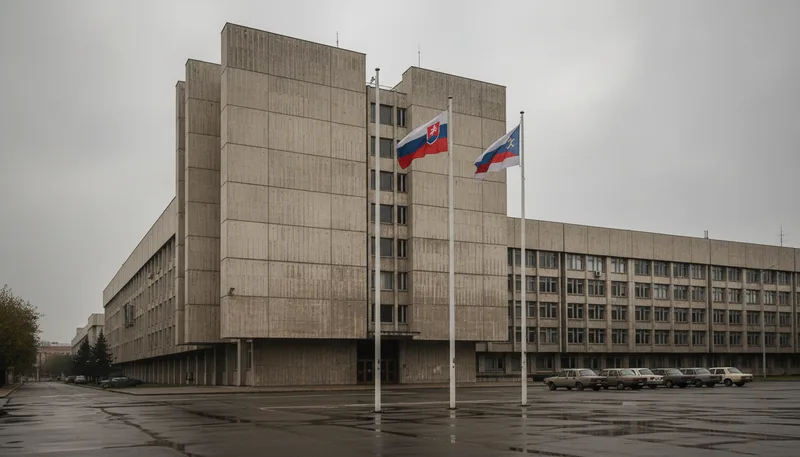
Slovakia and Russia: What the Attaché List Actually Shows
A current list from Slovakia's defence ministry names two officers for Moscow. The entries confirm identities but leave key questions about the mandate, scope and practical form of the contacts open.

Food law: What could change for consumers
A consultation is not a new law. Nevertheless, the federal proposal shows the direction consumer protection and harmonisation with the EU could take.

Universities of applied sciences to 2035: a forecast is not a plan
How scenarios for universities of applied sciences should be read – and why their range matters for education planning.

VW figures show German car industry under pressure, not standing still
High costs, tariffs and a difficult market are weighing on profitability. But the VW figures also show why a simple crisis narrative does not do justice to the situation.
Radioactive waste: Why groundwork is not a repository yet
Anyone discussing a Swiss deep geological repository must know more than the site. The disposal of radioactive waste rests on several legal, technical and financial foundations.

Crime and nationality: what the numbers say – and what they don't
Swiss police statistics show differences by nationality. They matter for the security debate – but they are unsuitable for blanket judgments about people or origin.

Suva invoice checks: rejections are no allegation of fraud
Suva had around 2.9 million invoices reviewed in 2025. 10.4 percent were returned for correction. That rate is cost control, not proof of systematic fraud.