Archive
October 2026
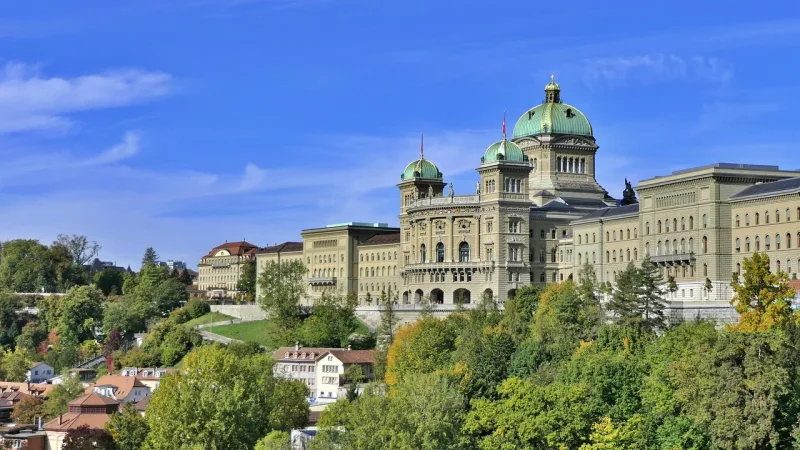
Federal Council candidacies: what public signals really mean
Magdalena Martullo-Giezendanner and Thomas Imark do not rule out a Federal Council candidacy. What matters first, however, is a vacancy, the party's decision and the election by the United Federal Assembly.
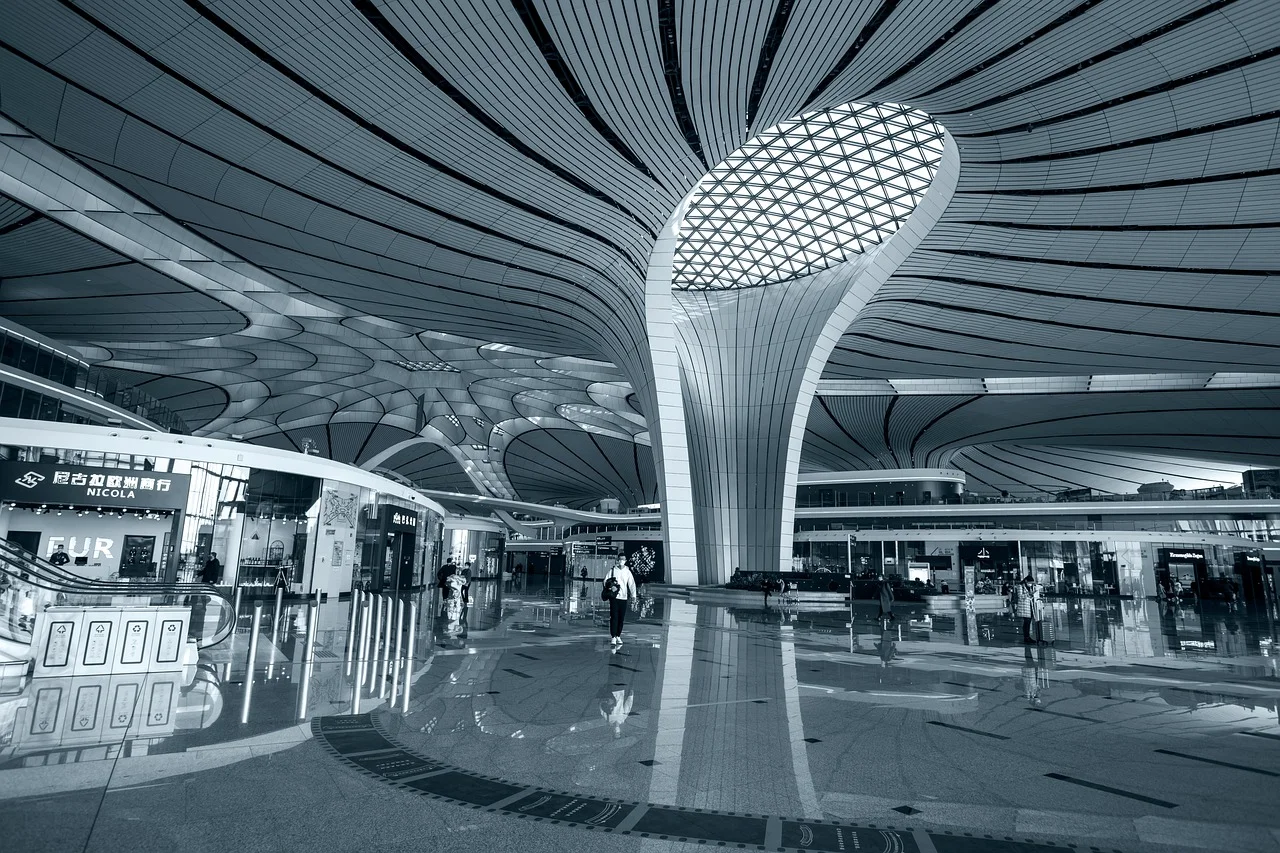
Travel advisory is not an entry ban: What Swiss travellers must check
Federal travel advice is not an automatic entry ban. For Swiss travellers it is a safety instrument – alongside entry rules, insurance cover and their own risk assessment.
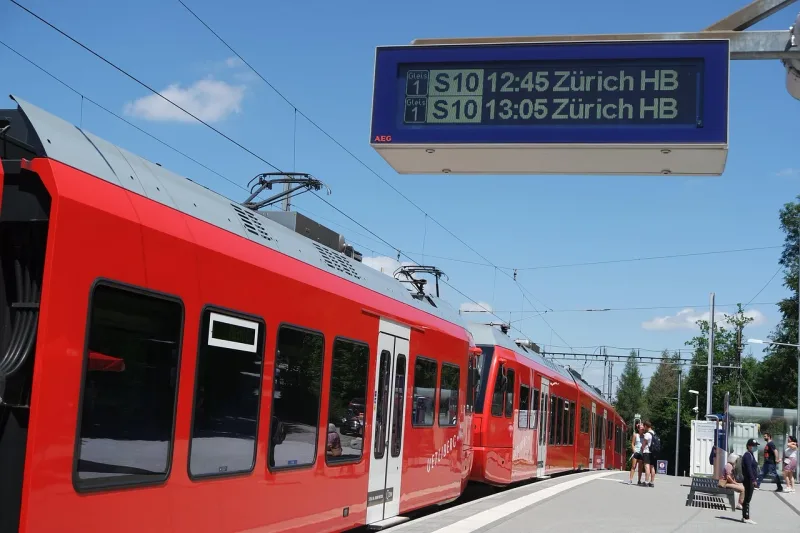
Zurich's AAA Outlook: Why a Rating Is Not a Bill
According to a report, S&P has set the outlook for the City of Zurich's AAA rating to negative. What that means, what remains open – and why the grade is not the same as an interest rate increase.

AI in Switzerland doesn't simply replace jobs – it changes tasks
AI changes tasks, skills and the organisation of work. For Switzerland, the latest data show both growing employment and a persistent shortage of skilled labour.
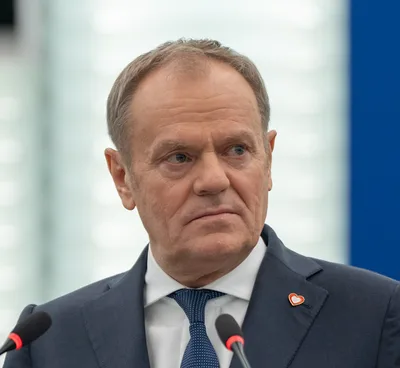
Poland checks reports of attack plans against Tusk, Kosiniak-Kamysz
According to consistent reports, Polish authorities are examining indications of a possible threat against Donald Tusk and Władysław Kosiniak-Kamysz. What is certain: many decisive questions remain open.

How Bern handles Russia, Hamas and Iran under three legal regimes
Switzerland adopts, issues and reviews sanctions on different legal bases. A comparison of the three dossiers shows what neutrality requires in law – and what it does not.

SNB communication: Why a speech is not the same as a rate decision
Why do markets react to sentences from central banks? The latest SNB speech shows that communication accompanies monetary policy – but it replaces neither the quarterly decision nor a concrete rate forecast.

No new financial crisis: which warning signs count for Switzerland
A falling euro or a strong dollar can move markets. Whether that turns into a financial crisis depends on resilience, liquidity and contagion effects – and there the picture for Switzerland is more nuanced than the alarmist question suggests.
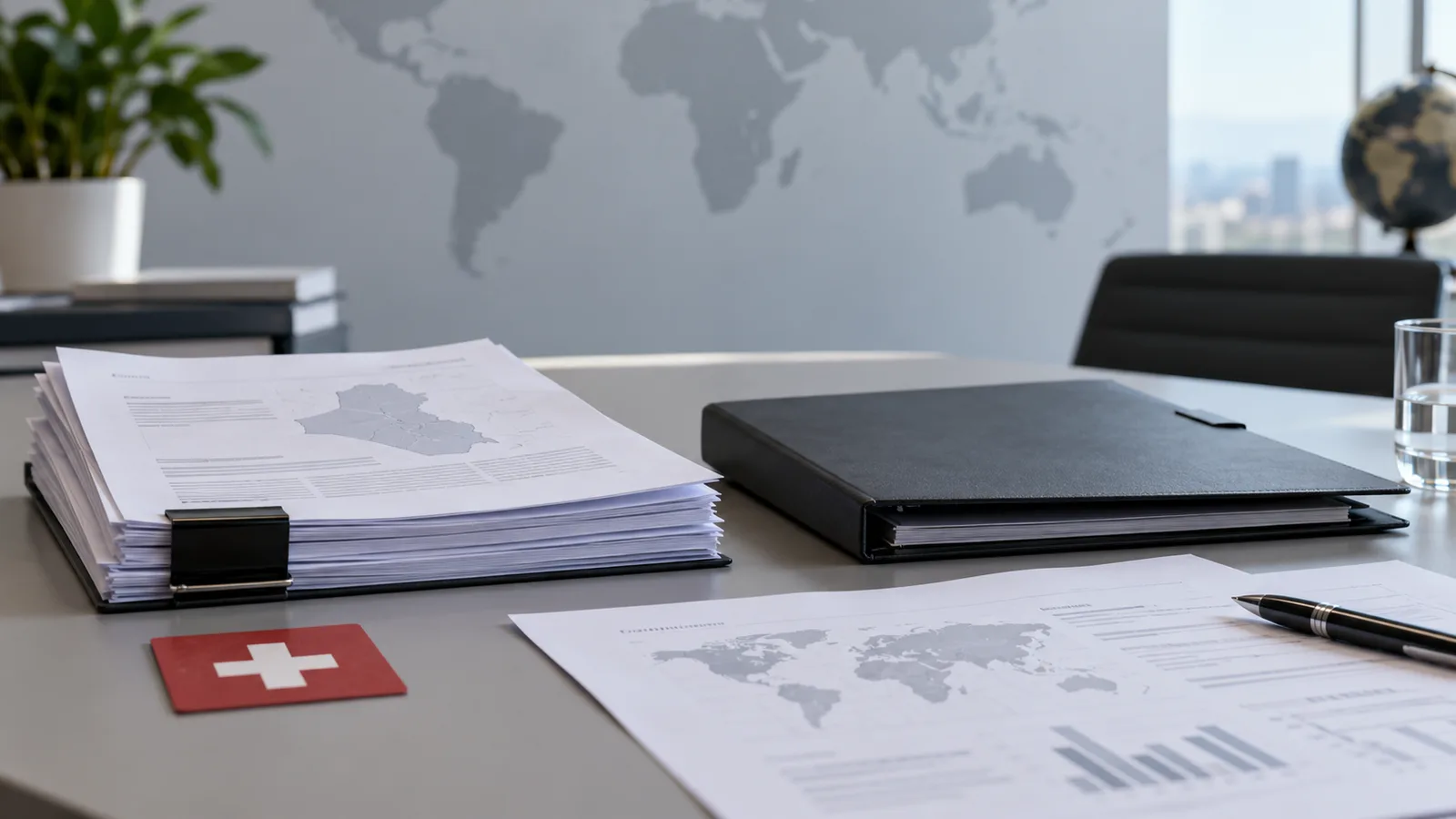
Iraq sanctions: Why a list update still affects Swiss firms
The notice about the Iraq ordinance sounds like a new sanctions package. In fact, it concerns an update to a narrow UN regime. For banks and companies, it is still more than a formality.
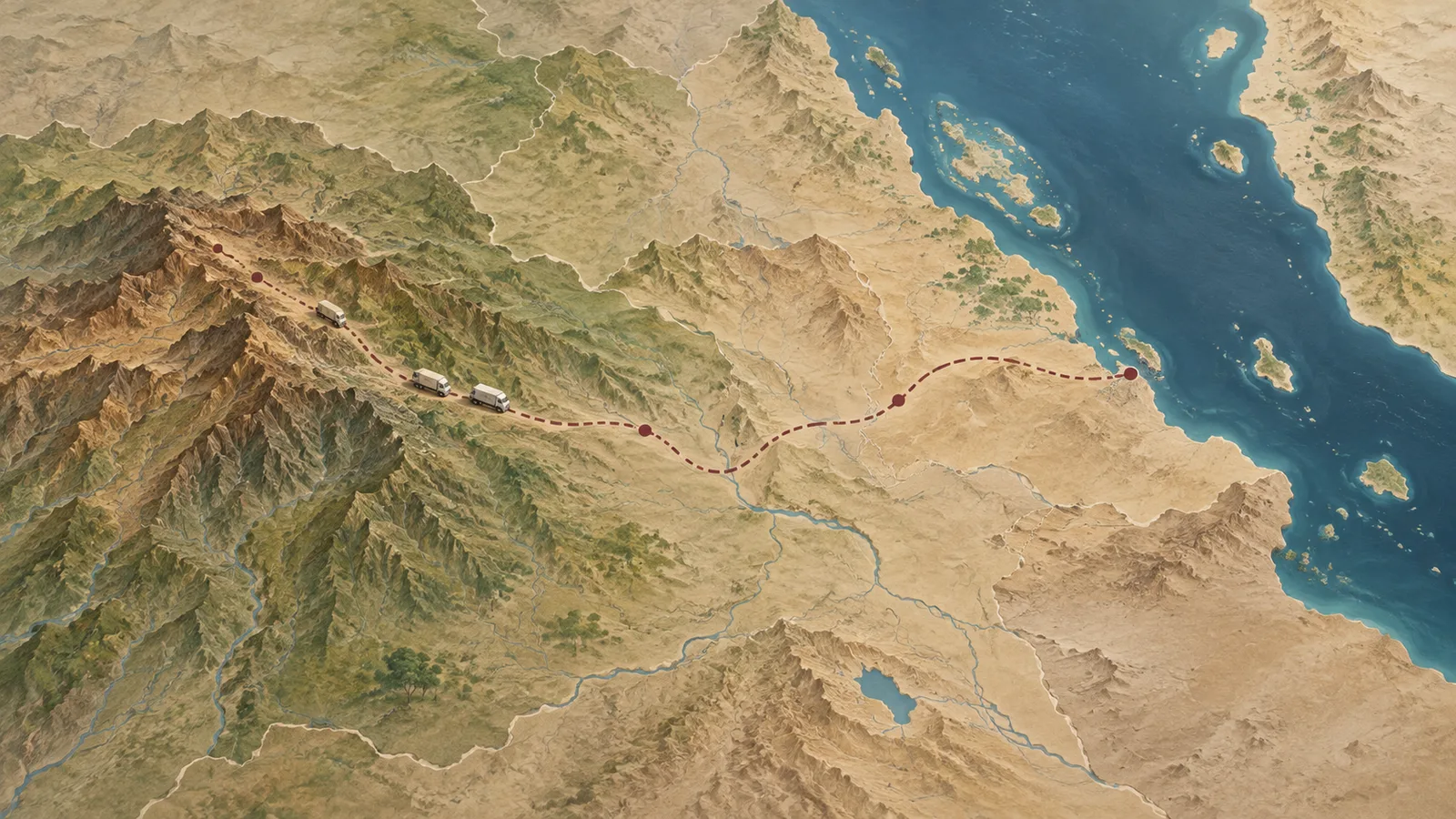
Tigray and the Red Sea: Why the Risks Must Be Assessed Separately
New fighting in northern Ethiopia meets a fragile region. What is documented, what remains open, and why the situation is more than a distant crisis for Switzerland.

Trump demands new Ukrainian leadership – US license for Russian diesel
Donald Trump announces Russian diesel and demands new Ukrainian leadership. What matters is the distinction between the US license, the political demand and the fuel actually delivered.

Europe under Pressure: What Switzerland Can Learn
Security, the economy and crime are not developing in the same way across Europe. What has changed – and what lessons Switzerland can draw from it.
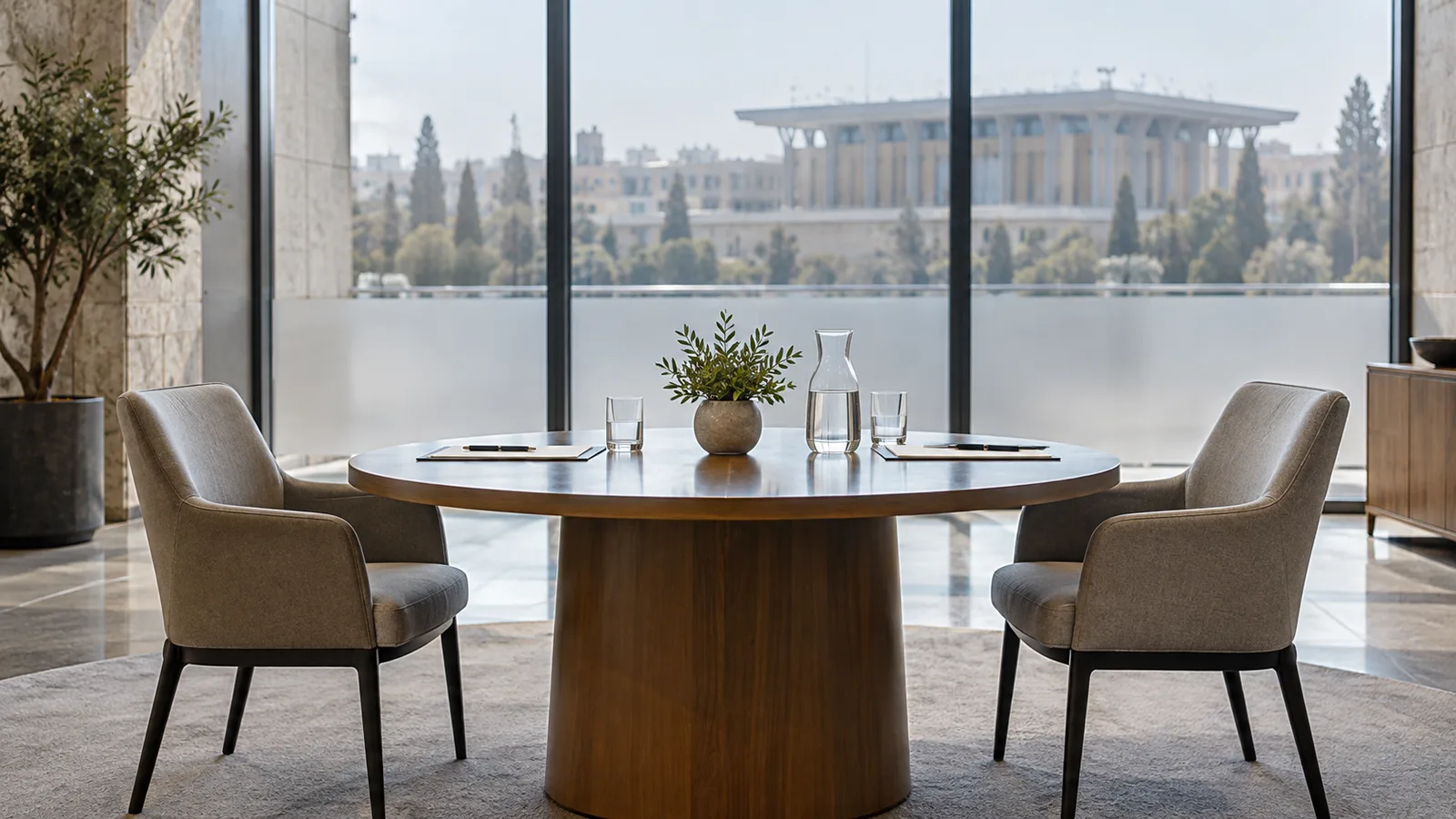
A Jewish Candidate on Ra'am's List: What It Really Shows
A Jewish politician on the list of an Arab-Islamic party breaks with an established boundary in Israeli politics. The move is a signal, but not proof of fundamental change.

Temporary nursing is expensive – but the bill only starts there
Agency nursing brings flexibility, but also placement costs and less continuity. National figures do not allow a simple calculation. For premium payers, what matters is how hospitals plan their staffing needs over the long term.

Drones in the Black Sea: Why Swiss firms must read the facts first
Civilian ships were damaged, a freighter sank. For Switzerland this is not only about grain: as a commodities trading hub and insurance centre, it is economically exposed to uncertainty at sea.

AI in everyday life: How human rights protect against algorithms
AI can speed up decisions – in applications, loans or services. The legal core is not an abstract ban on technology, but the question of whether people can effectively assert their rights against automated decisions.
Bait offers for Russia's army: what Amnesty shows and what's open
Amnesty warns of bait offers and possible exploitation in recruitment for Russia's war. What the investigation documents and why Switzerland should look closely.
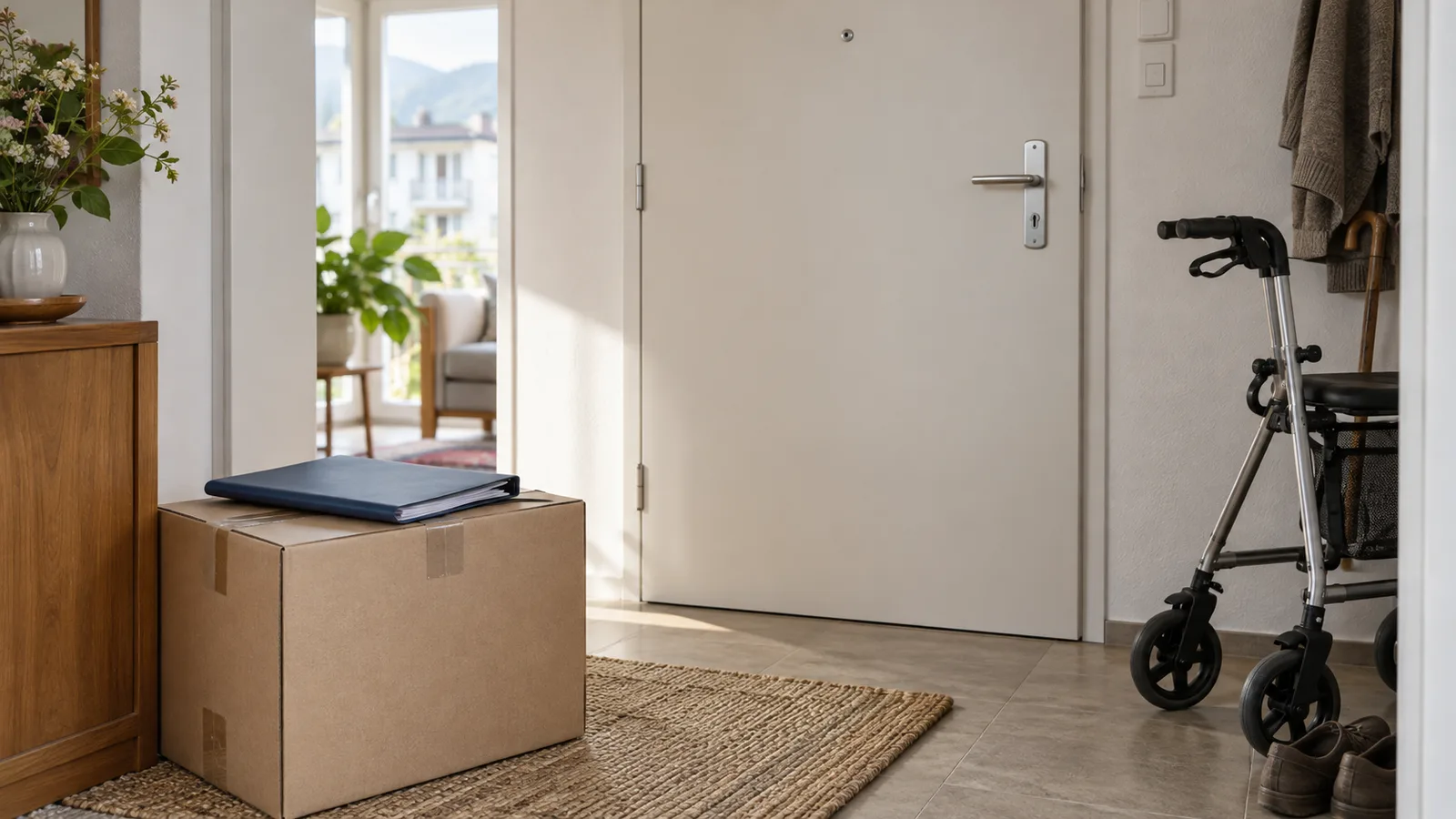
When Housing Becomes a Social Question: What Switzerland Can Learn from Spain's Eviction Debate
Spain is extending protection for particularly vulnerable tenants. Switzerland has protection against termination and hardship rules, but no automatic right to replacement housing. That can be decisive, especially in old age.

PSA test is not a yes-no test: How Switzerland avoids overdiagnosis
Switzerland has no national PSA screening programme. That is not a retreat from prevention but the expression of a difficult trade-off: early detection can save lives, but it can also reveal tumours that would never have caused harm.
When Religion Justifies Politics: The Real Question Is Not Faith but Power
From Vladimir Putin to debates in Silicon Valley, religious rhetoric is being read politically. For Switzerland, the question is less whether faith appears in public than whether institutions remain pluralistic and open to all worldviews.
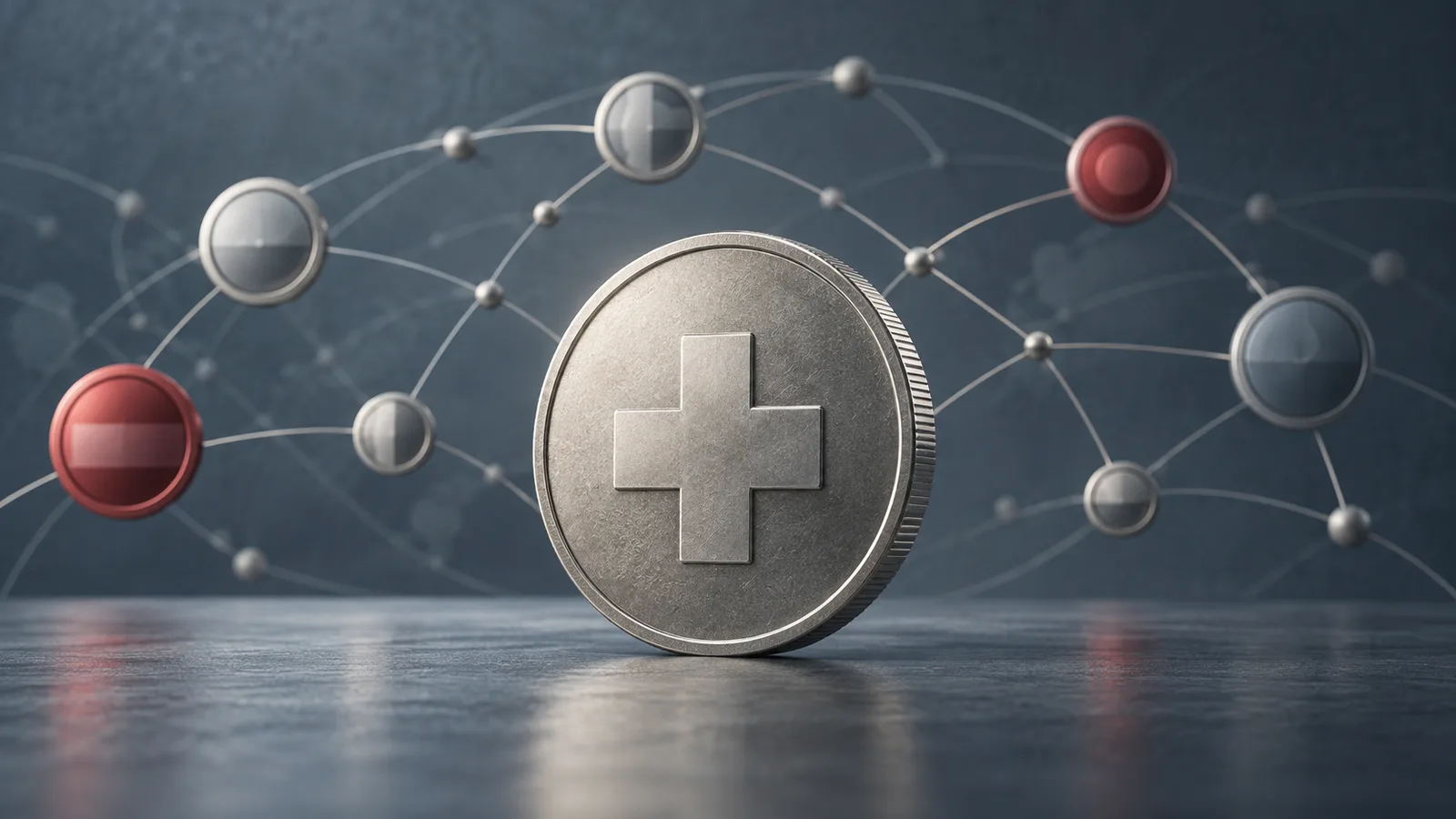
The franc is more than euro and dollar: Reading the SNB indices
The SNB has updated its exchange rate indices. Why the trade-weighted franc says more about Switzerland than a single euro rate – and where its explanatory power ends.

UBS job cuts: what is officially documented – and what remains open
UBS reports fewer internal and external employees than at the end of 2025. That does not automatically show how many people were dismissed or where jobs disappear. A look at the official figures separates established facts from speculation.
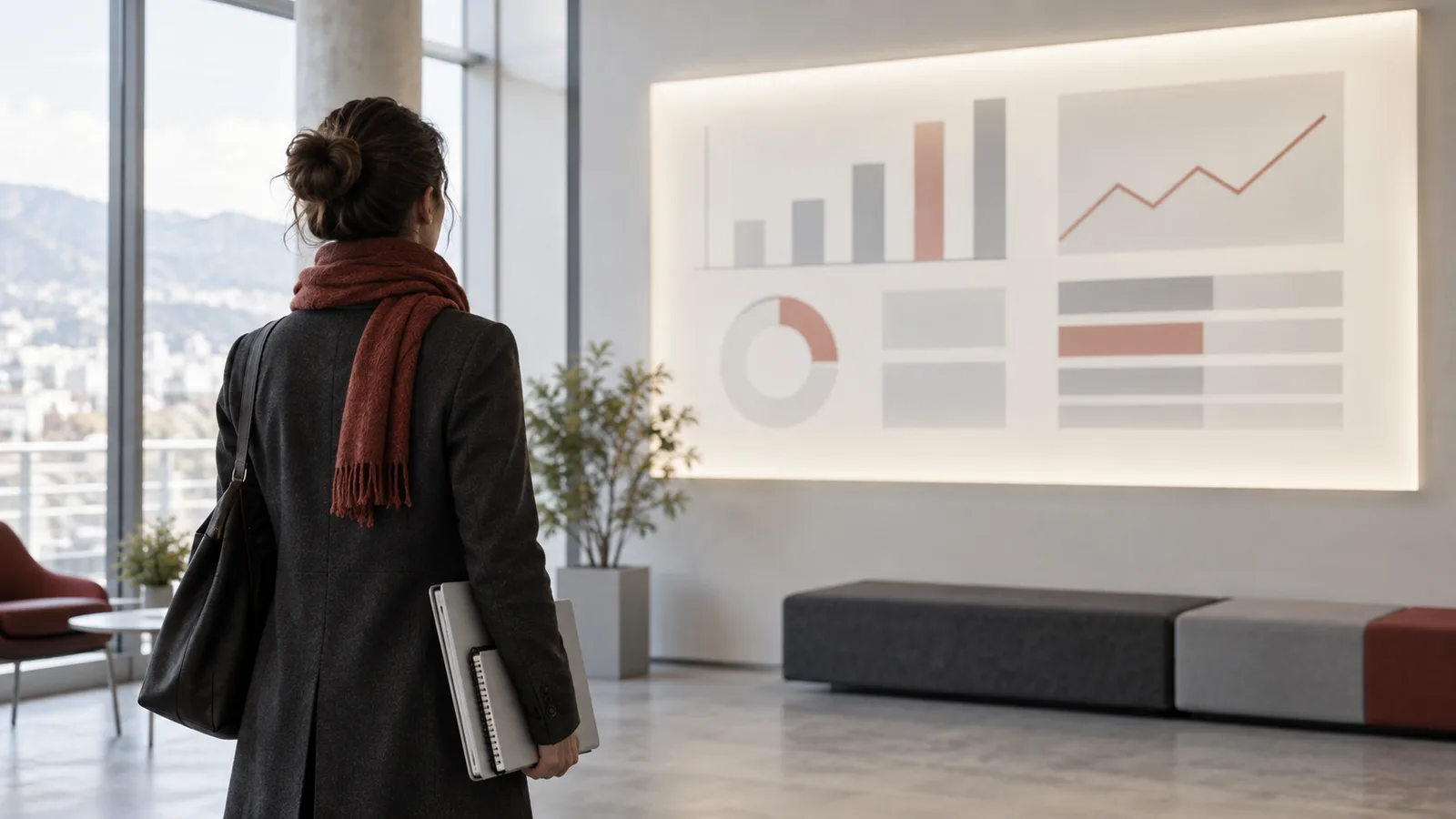
Labour market in September: a monthly fall is no all-clear yet
In September the number of registered unemployed fell by 1,064 people. At the same time, the number of jobseekers rose. The SECO figures therefore show not a simple easing, but a mixed picture.
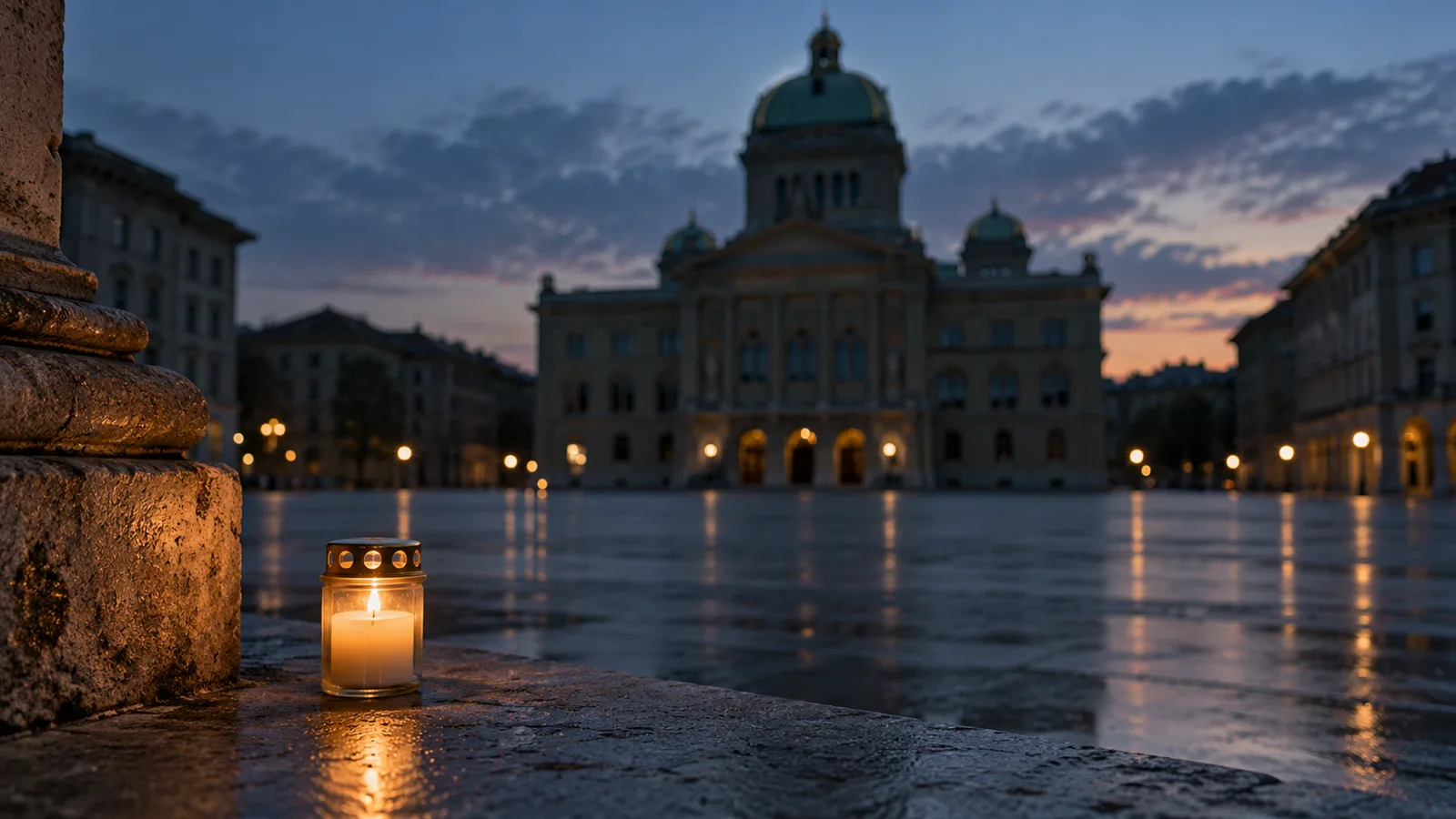
Three years after October 7: Netanyahu's responsibility still open
The question of Netanyahu's role is being asked ever more sharply. The official record shows above all one thing: findings, political debates and ongoing reviews – no concluded independent decision on his individual responsibility.