Archive
September 2026

Youth Under Pressure: Sleep Issues and Problematic Social Media Use Rise
In 2022, 28 percent of 15- to 24-year-olds reported sleep disorders. Seven percent of 11- to 15-year-olds showed problematic social media use. Girls are particularly affected.

Ukraine War Without End: What Status S Extension Means for Switzerland
Four years into the war, temporary reception becomes a long-term integration task. Municipalities, schools, businesses, and refugees require planning certainty.

Netanyahu Reportedly Ignored Abu Dhabi Warning on Hamas Attack
An investigation by two Israeli journalists claims the Prime Minister received a warning from the UAE President about a major Hamas operation approximately ten days before October 7, 2023. Netanyahu dismisses the account as a "lie."

SBB Timetable 2027: More Direct Trains to Italy – But Not Always More Comfort
From December 2026, two daily direct connections per direction are planned between Zurich and Venice, instead of one. France and night connections also benefit. However, travelers heading towards Ticino or Lake Constance need to check details carefully.

TARDOC: Health Insurers Announce Reimbursement Claims – Specialists Under Scrutiny
Switzerland implemented the new TARDOC outpatient tariff system on January 1, 2026. It aimed to correct a long-standing imbalance between primary care and specialized fields. Initial analyses by health insurers suggest this goal is only partially achieved. Compensation in some specialist areas is growing more than anticipated, while general practice medicine has not been strengthened as planned, according to the General Practitioners' Association and insurers. Concurrently, health insurers have identified billing patterns they intend to investigate further, announcing reimbursement claims for confirmed cases.
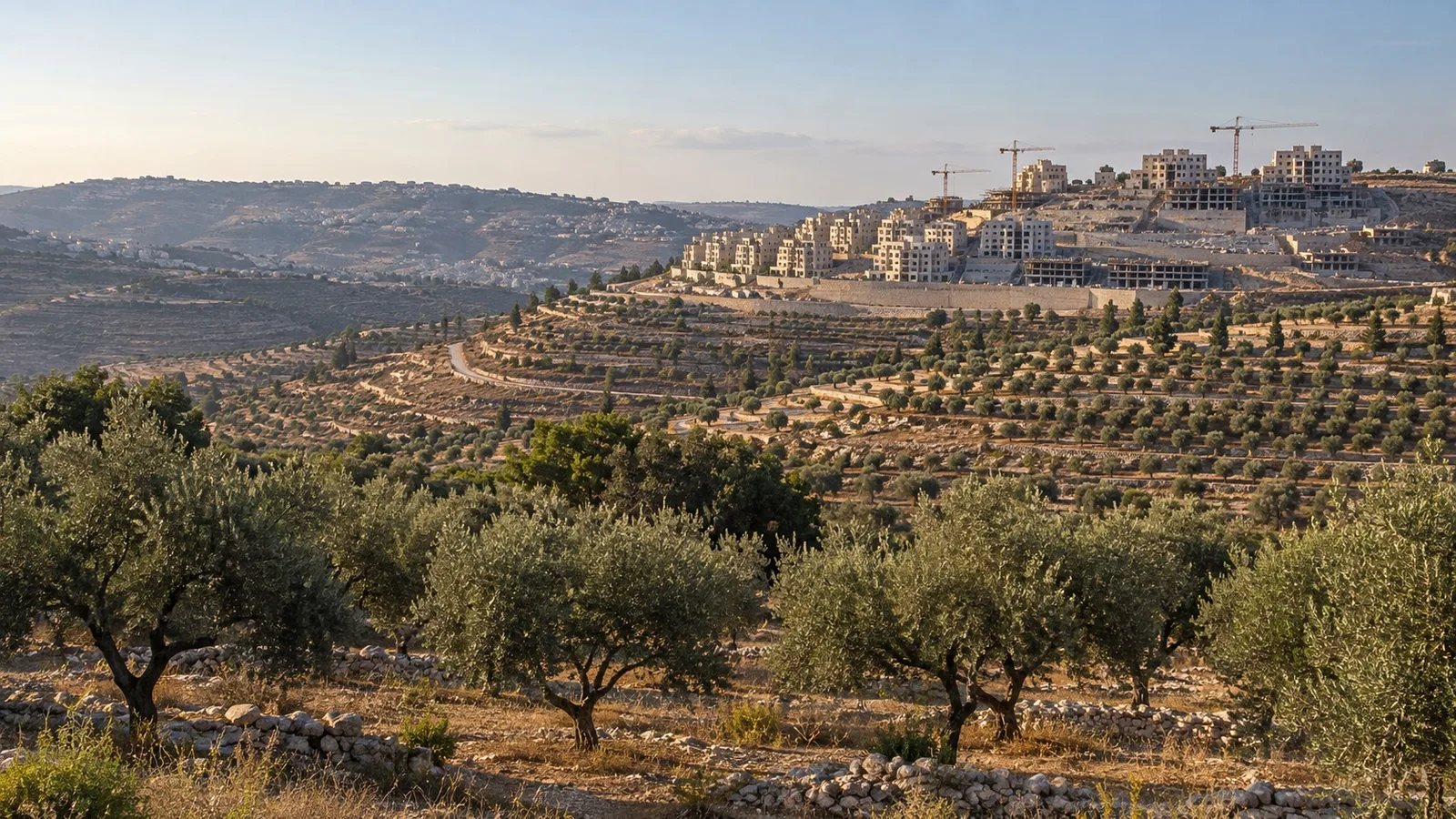
Israeli Settlements: Switzerland's Position on Trade Curbs
International pressure on Israel is growing due to settlement expansion in the occupied West Bank. On September 8, 2026, twelve nations, including Canada, France, and the UK, announced plans for national trade restrictions on goods from Israeli settlements, or support for European measures. This raises a key question for Switzerland: Will Bern adapt its trade policy?
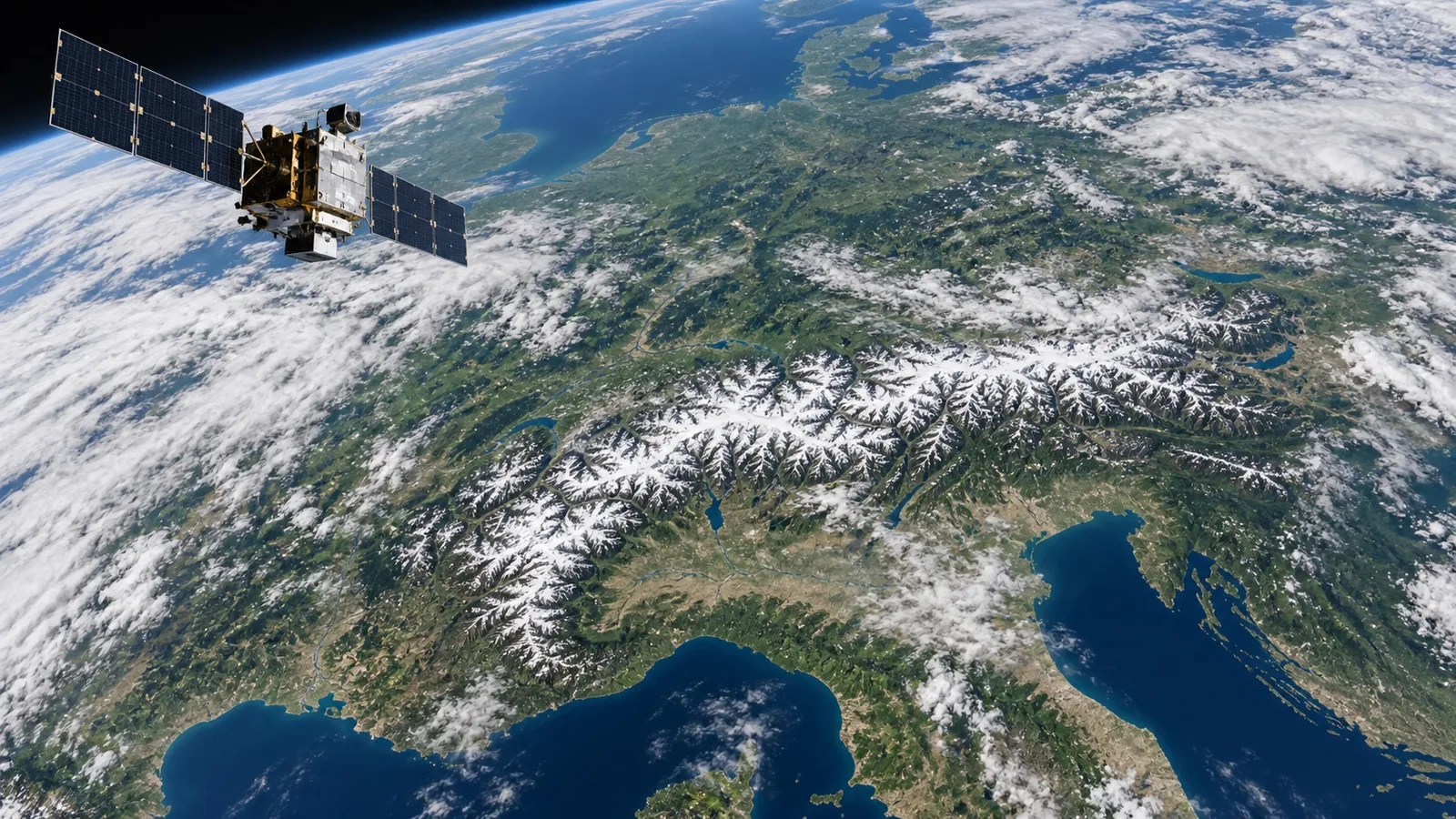
Switzerland Stays Out of Copernicus, Forgoes Decision-Making
Switzerland will not join the EU's Copernicus Earth observation program for 2028-2034. The Federal Council cited financial reasons, estimating annual costs at 48 million Swiss francs. While Switzerland can access most raw data, it loses a say in program development and excludes itself from operational services and public contracts.
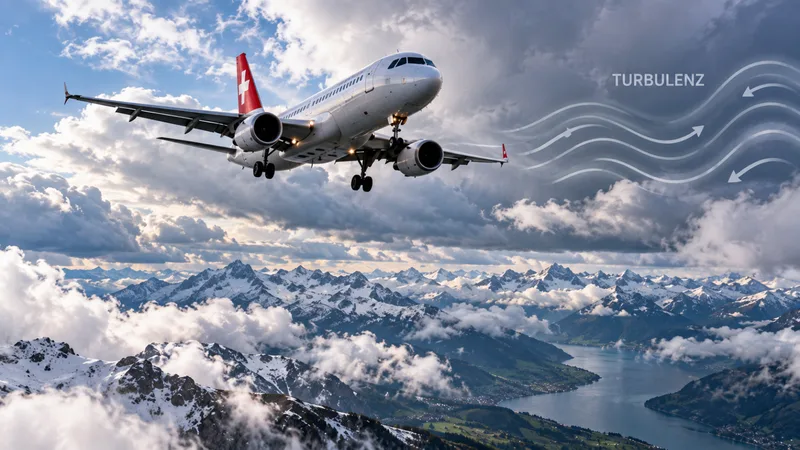
Is Climate Change Making Flights Over Switzerland More Turbulent?
Turbulence is common in air travel. Climate change might increase its frequency and intensity, particularly clear-air turbulence in cloudless skies. International research shows a trend. However, for Switzerland, it is still unclear if a measurable long-term trend exists in its airspace.

iPhone Duo: Apple's Foldable iPhone Starts at 1999 Francs
Apple enters the foldable smartphone market with the iPhone Duo. In Switzerland, prices range from 1999 to 3199 francs. Pre-orders begin October 16, with sales starting October 23, 2026.
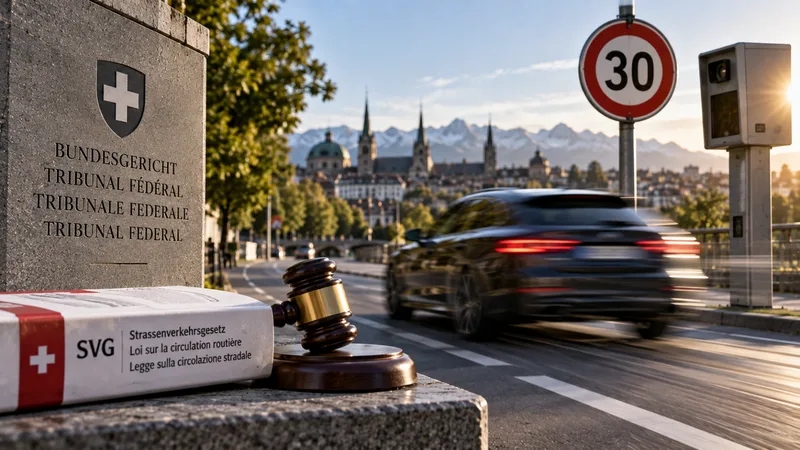
Federal Supreme Court Restricts First-Time Offender Privilege in Speeding Cases
The Federal Supreme Court clarified rules for fines in speeding cases. A prior conviction for a serious traffic violation is sufficient to exclude the first-time offender privilege, even if the previous offense was not a severe speeding violation. The ten-year period is crucial.

Mercosur Deal: Council of States Committee Requests 517 Million for Agriculture
The free trade agreement between EFTA states and Mercosur countries faces a new political round after the National Council's rejection. The Foreign Affairs Committee of the Council of States (APK-S) seeks to secure the proposal with additional agricultural measures. It requests 517 million Swiss francs for 2028-2033. Whether the agreement will gain a majority remains uncertain.
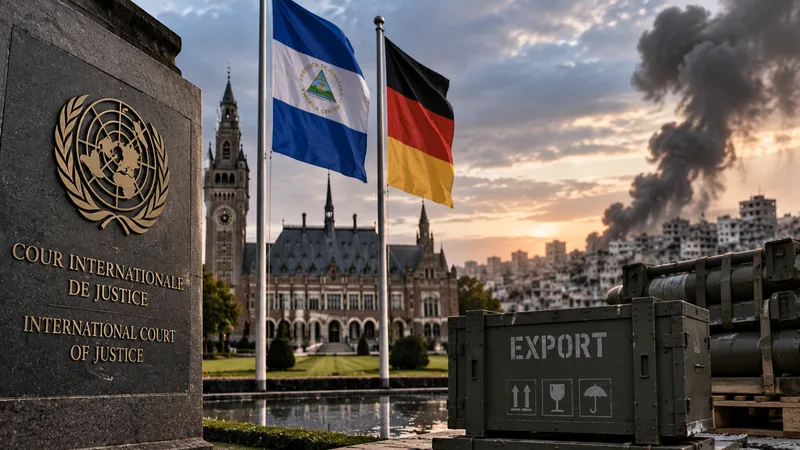
ICJ Examines German Arms Exports to Israel – Why Switzerland is Affected
The International Court of Justice (ICJ) in The Hague is considering a core issue: a state's responsibility when supplying arms to a country facing genocide convention violation claims. Nicaragua is suing Germany over its arms exports to Israel. The court is currently focused on jurisdiction, not the merits of the allegations. Germany questions the ICJ's authority to hear the case.

Food Initiative: What 70 Percent Self-Sufficiency Means for Switzerland
Switzerland currently produces slightly less than half of the food it consumes domestically. The Food Initiative seeks to increase this share to at least 70 percent within ten years. This involves reorienting agriculture towards plant-based foods while better protecting the environment, drinking water, biodiversity, and soil fertility. The Federal Council and Parliament reject the proposal.

Natural Hazards Cause Billions in Damage – Development Not Linear
Since 1972, the Swiss Federal Institute for Forest, Snow and Landscape Research (WSL) has recorded damage from floods, debris flows, landslides, and rockfall processes on behalf of the federal government. The Federal Statistical Office (BFS) time series now extends to 2025. It shows one main fact: The financial consequences of natural events fluctuate greatly. Single catastrophes can shape a decade's damage balance.
Youth Unemployment Rises 19.4 Percent in August
14,678 young people were registered unemployed at the end of August. The sharp monthly increase is notable, but the figures do not yet indicate a general collapse of the Swiss labor market.
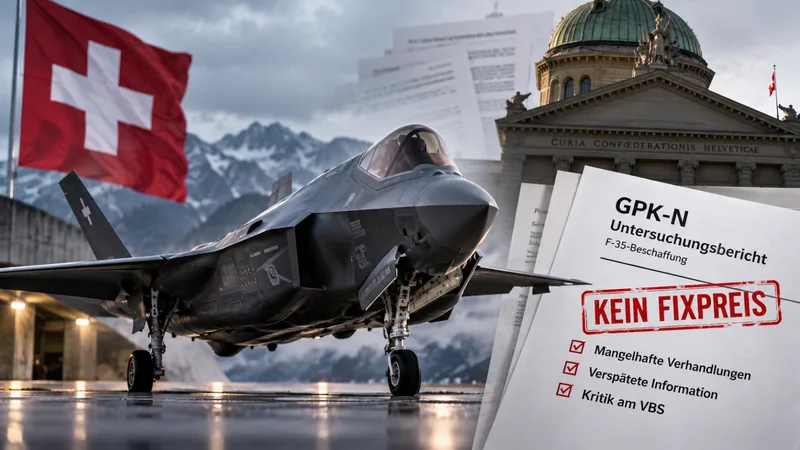
F-35 Without Fixed Price: GPK-N Censors Serious Procurement Errors
The National Council's Control Committee finds no lump-sum fixed price was agreed with the USA. It criticizes the DDPS for poor negotiations, insufficient control, and late information to the Federal Council.
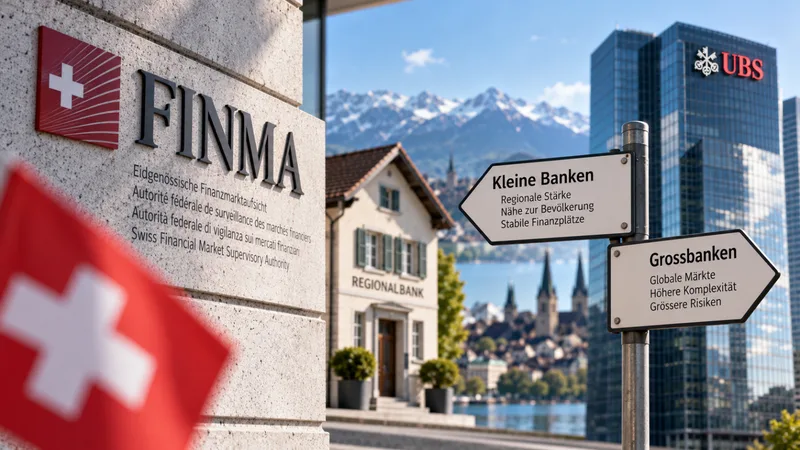
FINMA Defends Small Bank Supervision with Concrete Figures
FINMA has been criticized for the regulatory burden on small banks. FINMA Director Stefan Walter now presents specific data. A small bank receives an on-site inspection only every eight to ten years on average, whereas UBS undergoes over 40 annual inspections. Walter argues this shows supervision does not disproportionately target smaller institutions. He clarifies that proportionality does not imply less supervision at all costs.

Housing Shortage Worsens – Rents Tell Only Half the Story
Pressure is growing in the Swiss housing market. The number of available apartments in many places cannot keep pace with demand. The situation is particularly difficult for low- and middle-income households and those currently seeking a new home. Rents are not rising uniformly; existing tenants are better protected by the low reference interest rate than new applicants.
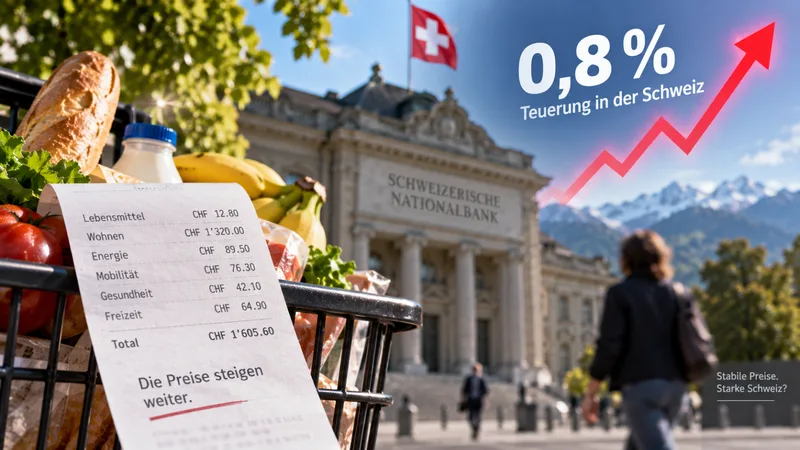
Swiss Inflation Rises to 0.8 Percent – SNB Now in Focus
Swiss inflation rose significantly more than expected in August. The National Consumer Price Index (CPI) increased by 0.4 percent compared to July, with annual inflation rising from 0.4 to 0.8 percent. Inflation remains within the Swiss National Bank's (SNB) price stability range. It is now crucial for the central bank whether this rise is temporary or if stronger price pressure develops.
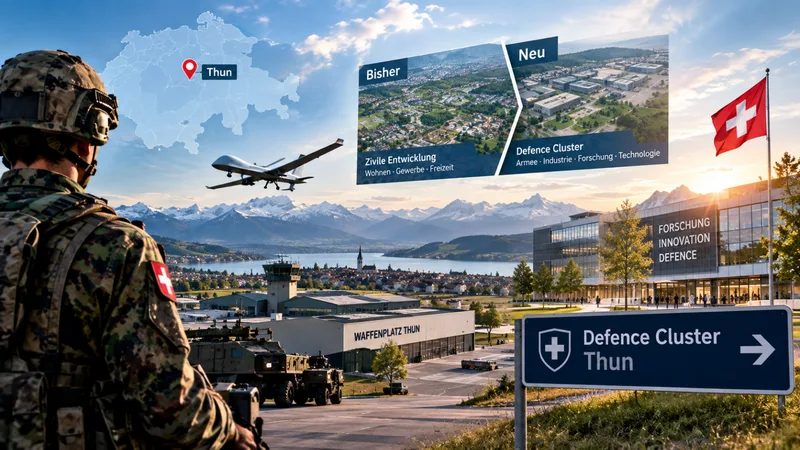
Thun Military Base Becomes Defence Cluster – Civilian Plans Under Pressure
The Federal Government reserves land in ESP Thun Nord for defence and innovation. A multi-year dialogue with the city of Thun has now commenced.
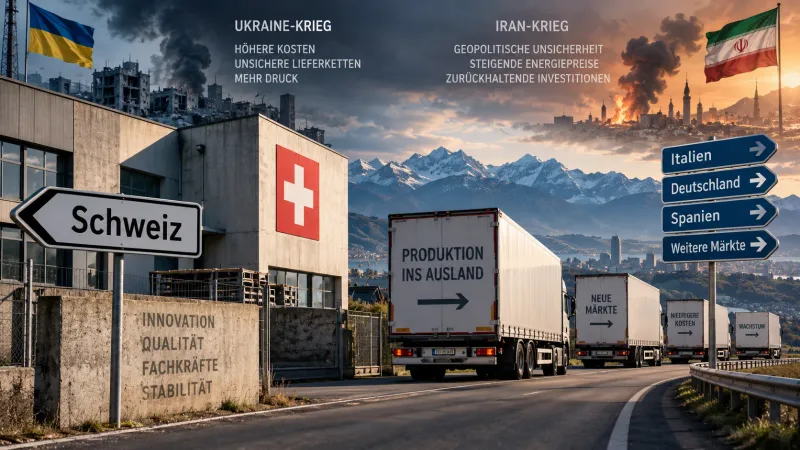
Industrial Exodus: Is Switzerland Losing Its Production?
Swiss companies are relocating individual production steps abroad and planning more foreign investments. The Ukraine war heightened cost pressure. The Iran war is demonstrably slowing investments in 2026. However, evidence of a new wave of industrial departure remains unconfirmed.

Iran War Intensifies Saudi-UAE Rivalry
Riyadh and Abu Dhabi are both impacted by the Iran war, but increasingly pursue their own interests. Their rivalry spans from Yemen and Sudan to oil policy, with implications for Switzerland. The conflict highlights diverging goals.
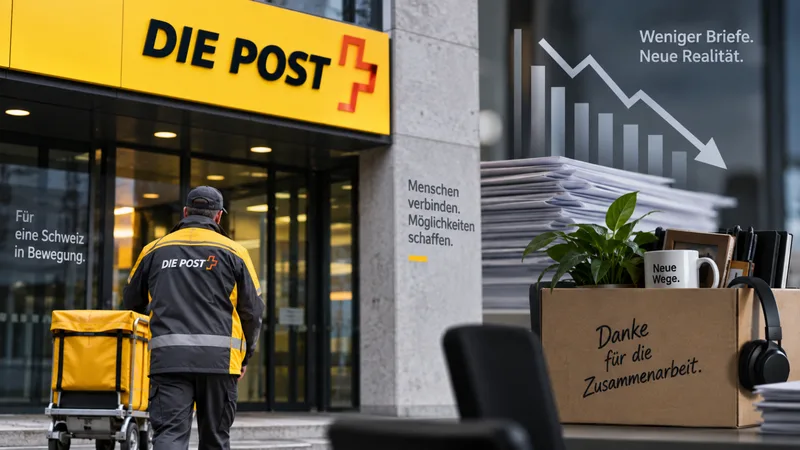
Swiss Post to Cut Up To 110 Jobs – Declining Mail Pressures Group
Swiss Post plans to cut up to 110 jobs in management and support by the end of 2027, primarily affecting internal office and administrative departments. The company cites the long-term decline in letter mail and the need to fund public services without tax money as reasons.
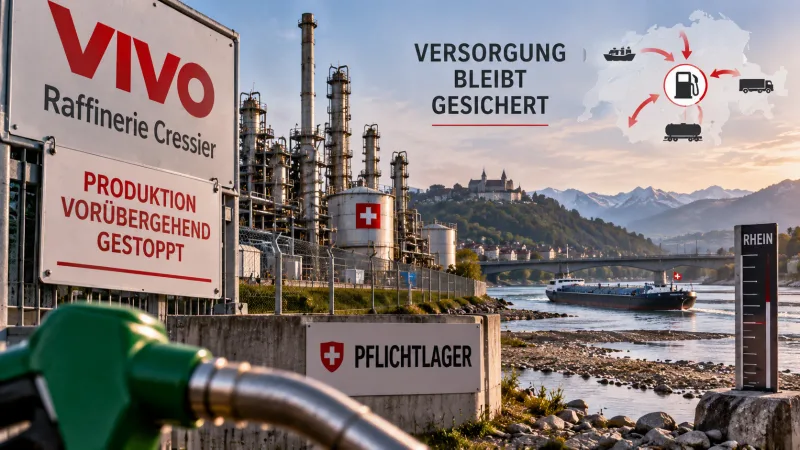
Cressier Refinery Stands Still – Swiss Fuel Supply Remains Secure
Switzerland's most important refinery is temporarily out of operation. Low water levels on the Rhine are simultaneously complicating imports. Reserves are currently sufficient; compulsory stocks do not need to be released yet.