Archive
September 2026
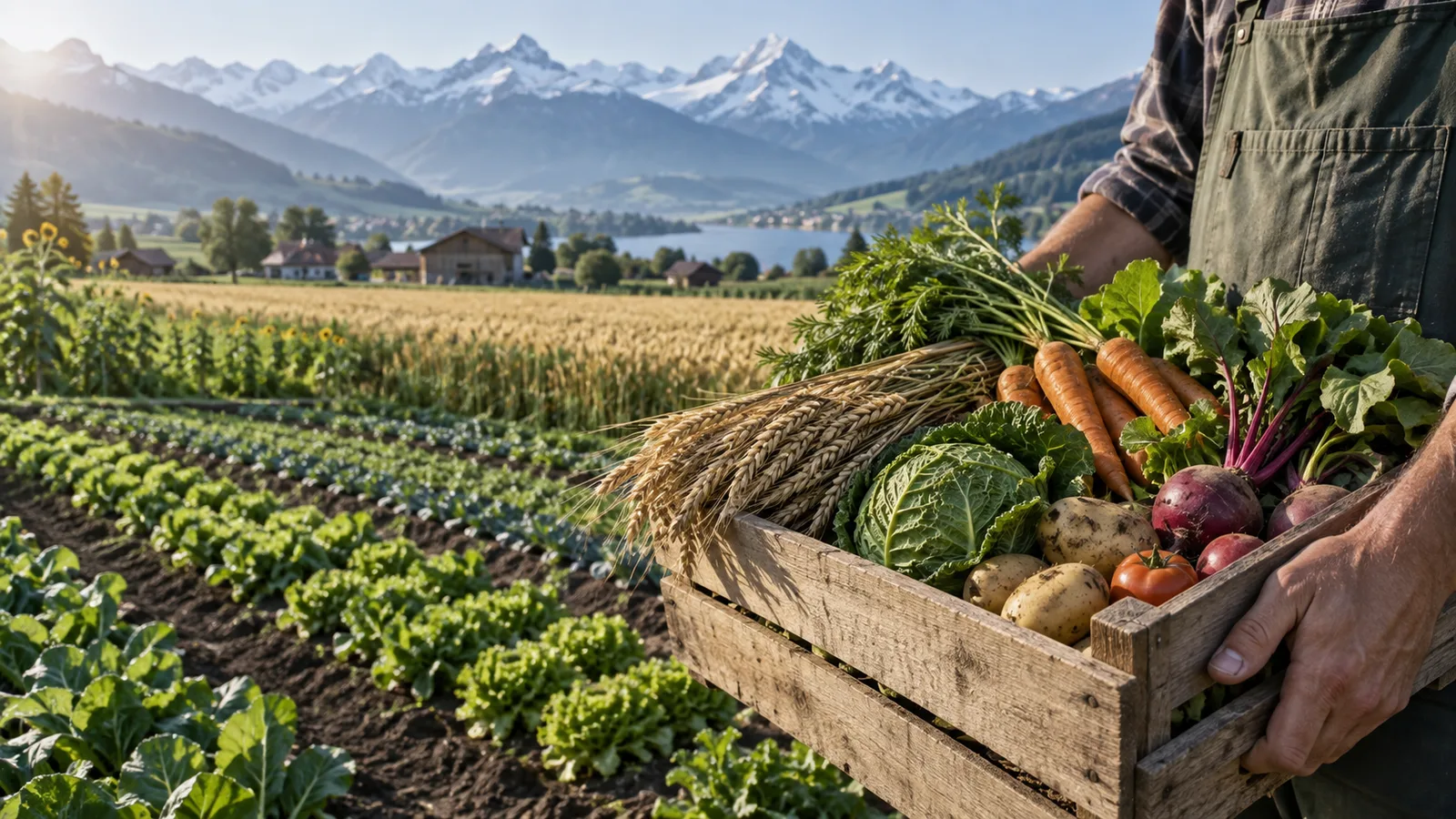
70 Percent Domestic: What the Food Initiative Would Change
More domestic food, less environmental impact, and a more plant-focused production: The Food Initiative links supply security with an agricultural transformation. On September 27, voters will decide if this goal enters the constitution.
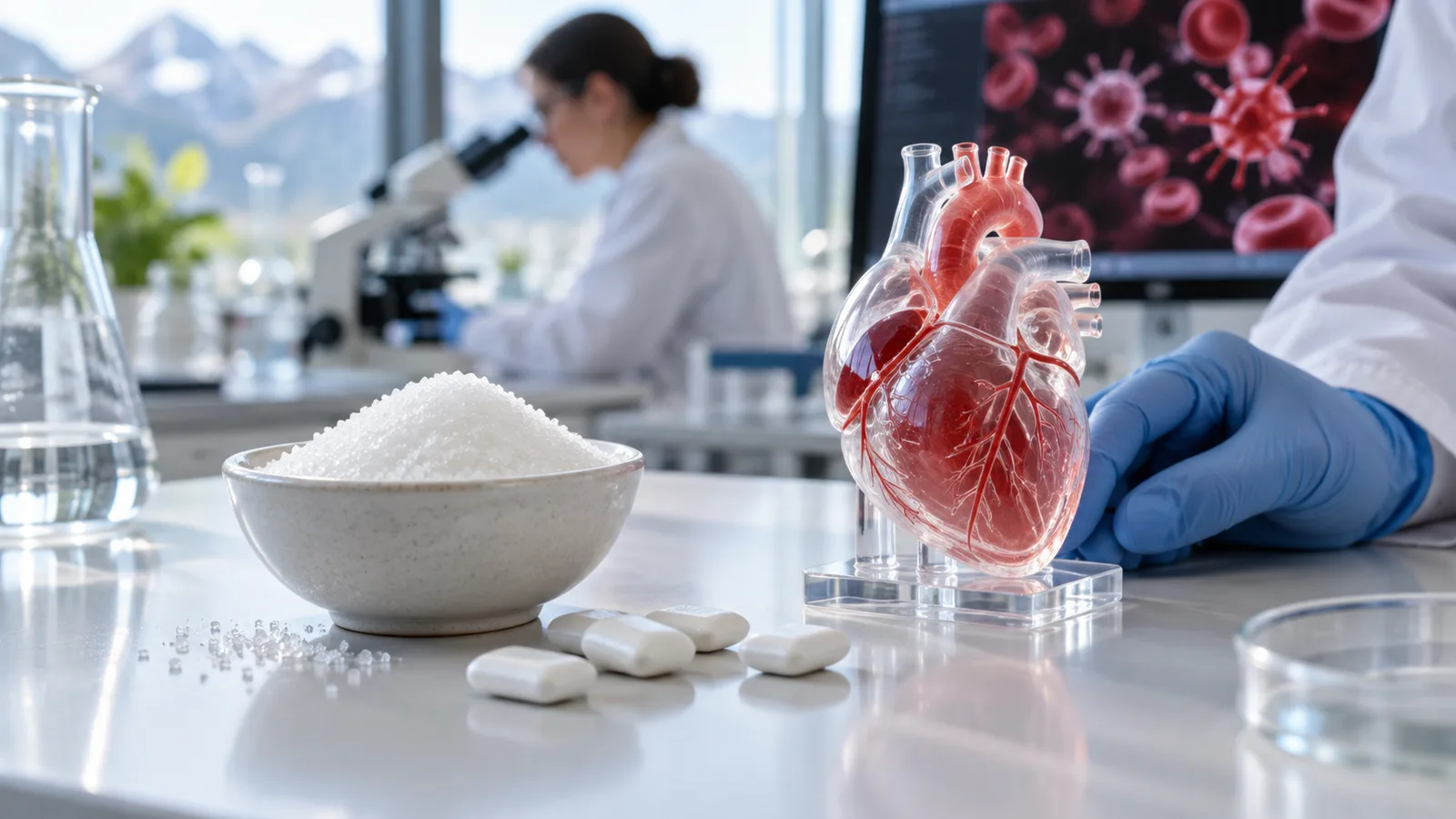
Xylitol and Heart Risk: What the New Study Really Shows
High blood xylitol levels are linked to increased cardiovascular events. The data warrants attention but does not justify panic or hasty prohibitions.
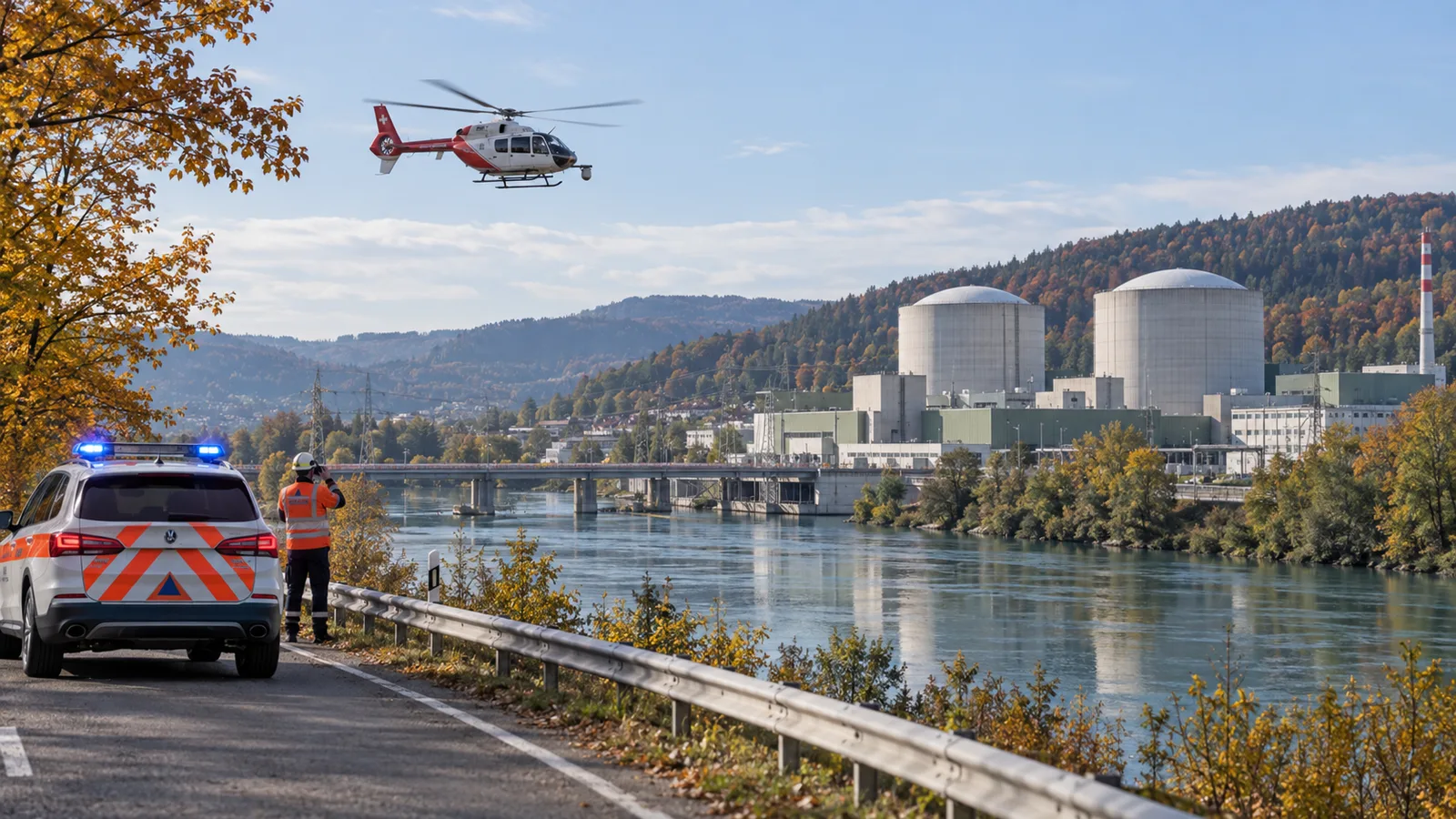
Emergency Exercise in Beznau: What Really Matters in a Crisis
From September 14 to 18, nuclear emergency preparedness around Beznau will be practiced. The public needs no action but should know how warnings, iodine tablets, and emergency conduct work.

Letters Become a Losing Business – Parcels Drive Postal Market
In 2025, letter revenues no longer covered costs for the first time. Simultaneously, parcels and import shipments are growing. This challenges the financing of comprehensive basic postal services.

No Gold from Sudan: Switzerland Draws a Red Line
As of September 10, the purchase, import, and transit of gold from Sudan are prohibited. For Switzerland, a globally significant gold hub, the measure has limited economic impact but carries important political weight.

Conversion Practices: Switzerland Considers Stricter Rules
Practices aiming to change sexual orientation or gender identity exist in Switzerland. The Federal Council rejects these methods due to their psychological harm. Discussions continue regarding the most effective legal approach to regulate them nationwide.
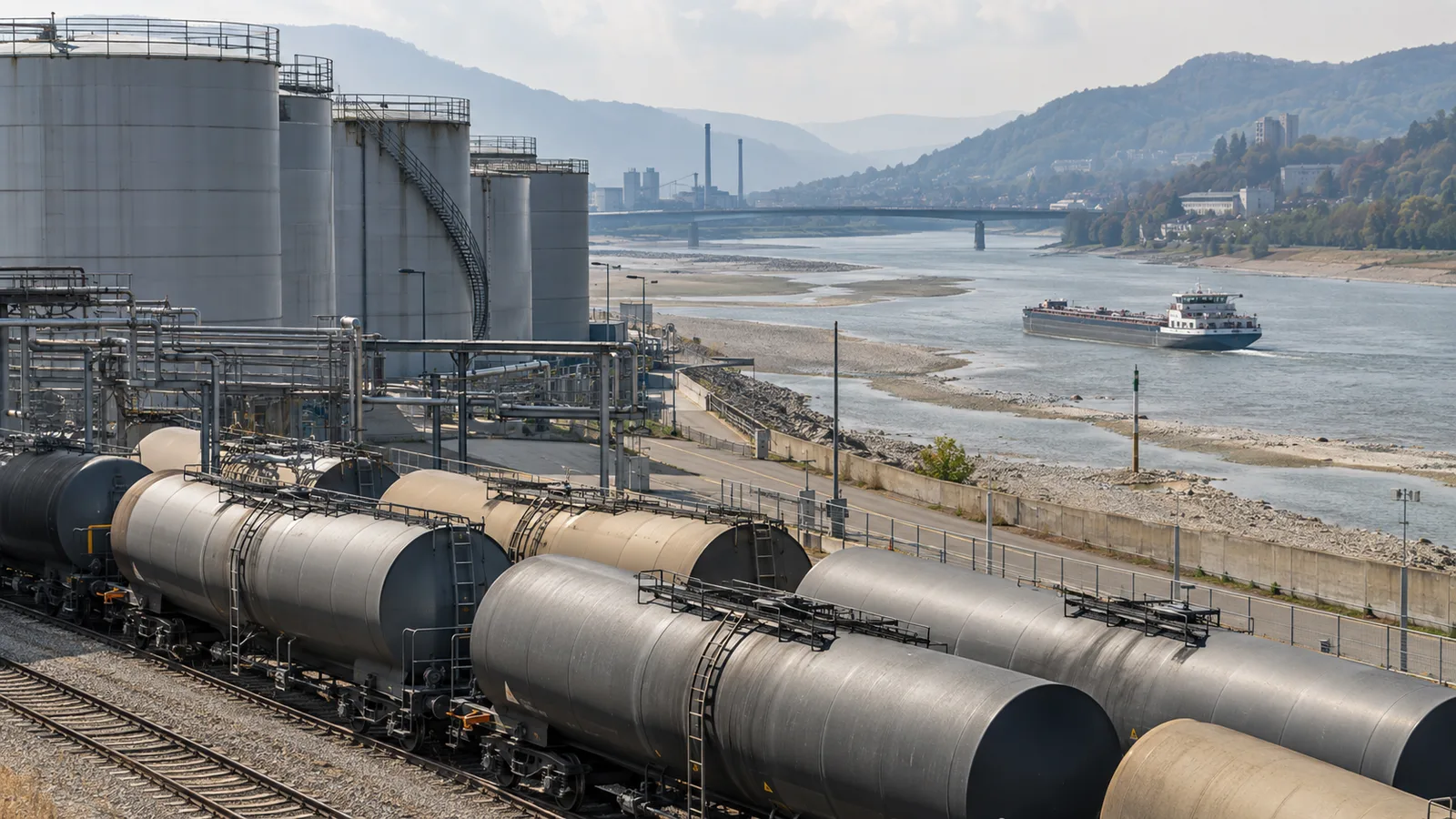
Mandatory Reserves Opened: Switzerland's Fuel Supply Vulnerability
Supply is secured according to the Federal Government, but multiple disruptions coincide. The release from mandatory reserves highlights Switzerland's resilience and its dependencies.

F-35 Fixed Price: Control Report Reveals Serious Management Deficiencies
The F-35 dispute is more than a cost issue. A new control report demonstrates how political certainties were announced despite critical risks not being properly clarified internally. This raises questions about decision-making.
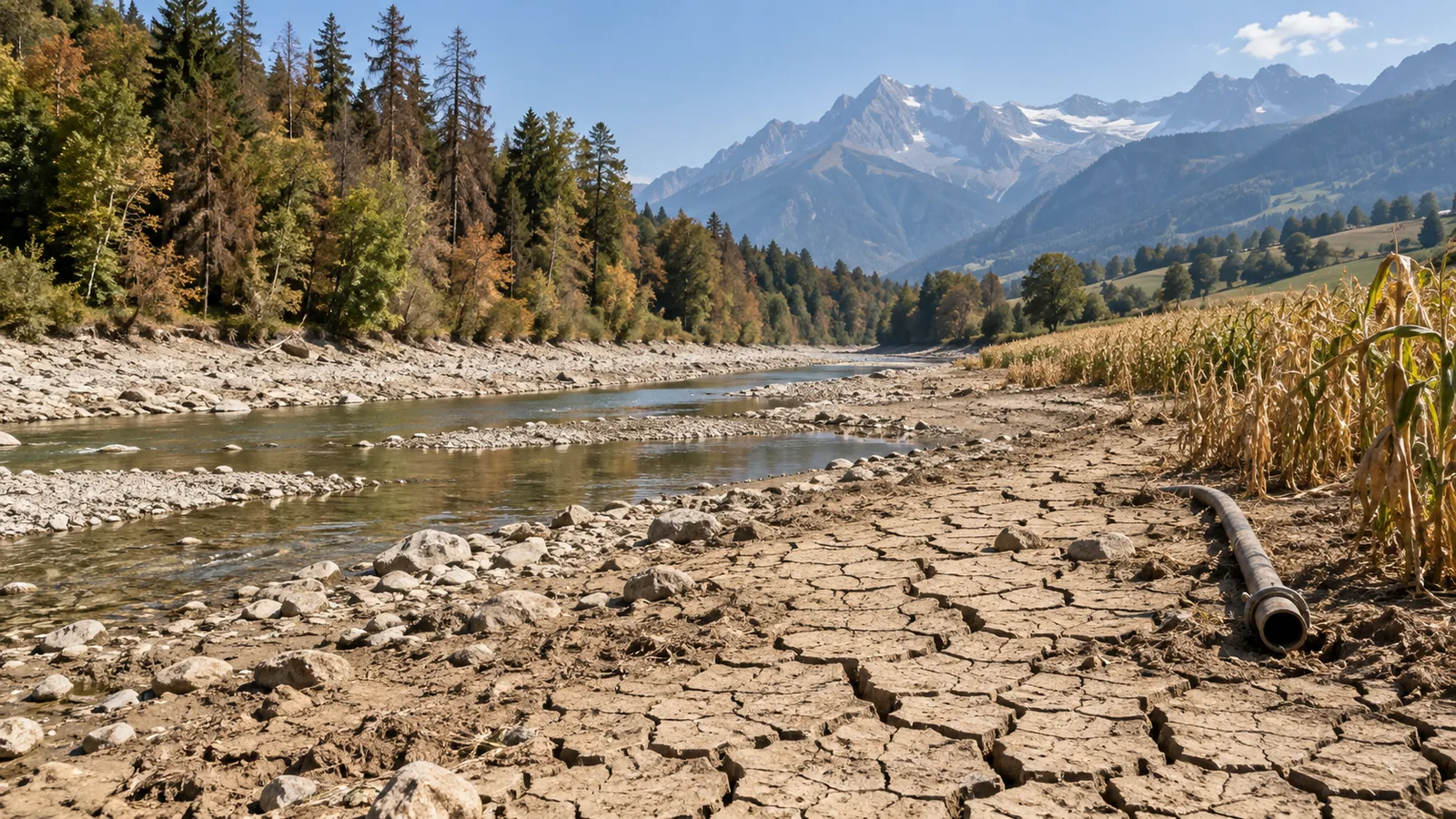
Drought Summer 2026: Where Water Scarcity Already Hits Switzerland
Rain has been scarce across much of Switzerland since spring. Authorities report exceptional dryness, causing economic and ecological impacts from farmlands to the Rhine.

Iran Plans to Criminalize Foreign Media Contacts
Iran aims to restrict its population's external contacts. A new draft law in Parliament targets interviews and communication with foreign media or actors deemed hostile to the Islamic Republic. The bill is not yet passed, and its scope is unclear. This poses a risk for Iranian nationals in Switzerland, as a contact allowed abroad could be deemed illegal upon their return to Iran.

Alpine Solar Systems: Expansion Progresses, Overall Balance Lacking
Alpine solar systems aim to secure part of Switzerland's winter electricity supply. The first large projects are now delivering power, with more under construction or planned. At the same time, the actual contribution of alpine solar power remains unclear: The Federal Office of Energy provides current data on reported large photovoltaic systems, but an easily accessible overall balance of the actual electricity produced by all alpine systems is not available.

Digital Divide: 38 Percent Lack Basic Skills
E-banking, government portals, and artificial intelligence shape daily life. Those unable to verify information, protect accounts, or use online forms risk being left behind.

Arms Boom: Despite Record Spending, Weapons Remain Scarce
Global military spending reached a new high in 2025. According to calculations by the Stockholm International Peace Research Institute (SIPRI), approximately <strong>2.887 trillion dollars</strong> were spent globally on the military. This marked the eleventh consecutive increase. At the same time, weapons and ammunition are scarce in many places, and delivery times for complex systems are growing longer. This apparent contradiction can be explained: more money does not automatically mean more available weapons.

EU Enforces AI Rules: What Swiss Companies Must Consider Now
The EU AI Act is becoming enforceable in phases, while Switzerland is still developing its own framework. For export-oriented companies, waiting is therefore not a viable strategy.

First National Nutrition Study: What Swiss Children Really Eat
Most children and adolescents in Switzerland get enough energy and eat breakfast regularly. However, many consume too few fruits and vegetables, frequently drink sugary beverages, and reduce physical activity as they get older.

Sport Switzerland 2026: Activity Stagnates, Gyms Outpace Clubs
Over half the population exercises regularly, while almost one in six people are hardly active. For the first time, fitness centers have more members than sports clubs. The study examines the reasons behind these figures and why physical activity policy is more than just a matter of discipline.

Swiss Economy Grows Strongly, but Job Market Shows Warning Signs
A strong quarter does not guarantee a boom. Pharma exports and domestic demand drive growth, but rising unemployment, oil prices, and a strong franc cloud the economic outlook.

Health Insurance Premiums 2027: Forecasts Diverge Widely
Bonus.ch predicts an increase of 4.5 to 5 percent. The SMSR, however, deems an increase of no more than 2 to 2.5 percent adequate. Official premiums for 2027 will be announced in autumn.

Federal Research: How R&D Spending is Changing
How much does the Confederation spend on internal research? A new FSO time series details federal R&D expenditure from 2000 to 2025. Data indicates the Confederation plays a relatively small role in Swiss-conducted research. Much of its work focuses on key institutions, primarily Agroscope.

Federal Council Supports Immigration Levy – Only with High EU Immigration
The Federal Council supports a new option to financially limit EU immigration in emergencies. Companies could face a minimum 4000 franc levy for new EU workers. This would not be a general entry fee, but rather a measure if specific thresholds are exceeded and Switzerland activates the safeguard clause within the new EU agreement package. The Council of States will first review the proposal.

Cassis Prioritizes Dialogue in OSCE Chairmanship Despite Deep Divisions
The Organization for Security and Co-operation in Europe (OSCE) faces deep political division. Yet, its 57 participating states approved a 2026 budget, the first in five years. Federal Councillor Ignazio Cassis views this as a sign that cooperation is possible despite fundamental differences. Switzerland's OSCE Chairmanship stresses a simple message: states can talk, even without agreement.

ETH Zurich’s LIFE project: How it could search for alien life
ETH Zurich is developing LIFE, a space-observatory concept designed to study the thermal radiation of nearby rocky planets and search their atmospheres for potential biosignatures. Laboratory tests show both the progress made and the hurdles that remain.

ETIAS Launch: Who is Affected, and Why Swiss Travelers Usually Do Not Need to Act
ETIAS will become a requirement for travelers from 59 visa-exempt countries for short stays in 30 European nations, including Switzerland. Swiss citizens do not need to apply for ETIAS when traveling within the ETIAS area.

Electricity Prices 2027 to Fall, Relief Varies by Location
Many Swiss households can expect lower electricity bills in 2027. The exact savings will depend on the municipality, the local grid operator, and its energy procurement strategy.