Archive
September 2026

Ukraine Diplomacy: Switzerland Can Host, Not Force a Breakthrough
New US contacts with Moscow and Kyiv fuel hopes for direct talks. Switzerland can provide location and tools, but cannot resolve political deadlocks.

Hormuz and Saudi Pipeline Under Pressure: Oil Shock Cost for Switzerland
The Strait of Hormuz is nearly blocked, and Saudi Arabia's main bypass route is temporarily out of action. For Switzerland, this presents an inflation risk, tempered by several factors.

Army Fund: Debts Planned, Revenues Undecided
24 billion for the army, up to 12 billion in credit – and revenues partly dependent on future federal surpluses. The autumn session begins with an open question of priorities.

Swiss Medtech Grows, But Domestic Job Creation Stalls
Swiss Medtech firms see revenue growth, but job creation lags. The latest industry data reveals crucial insights into Switzerland's appeal as a business location and the future of domestic employment.
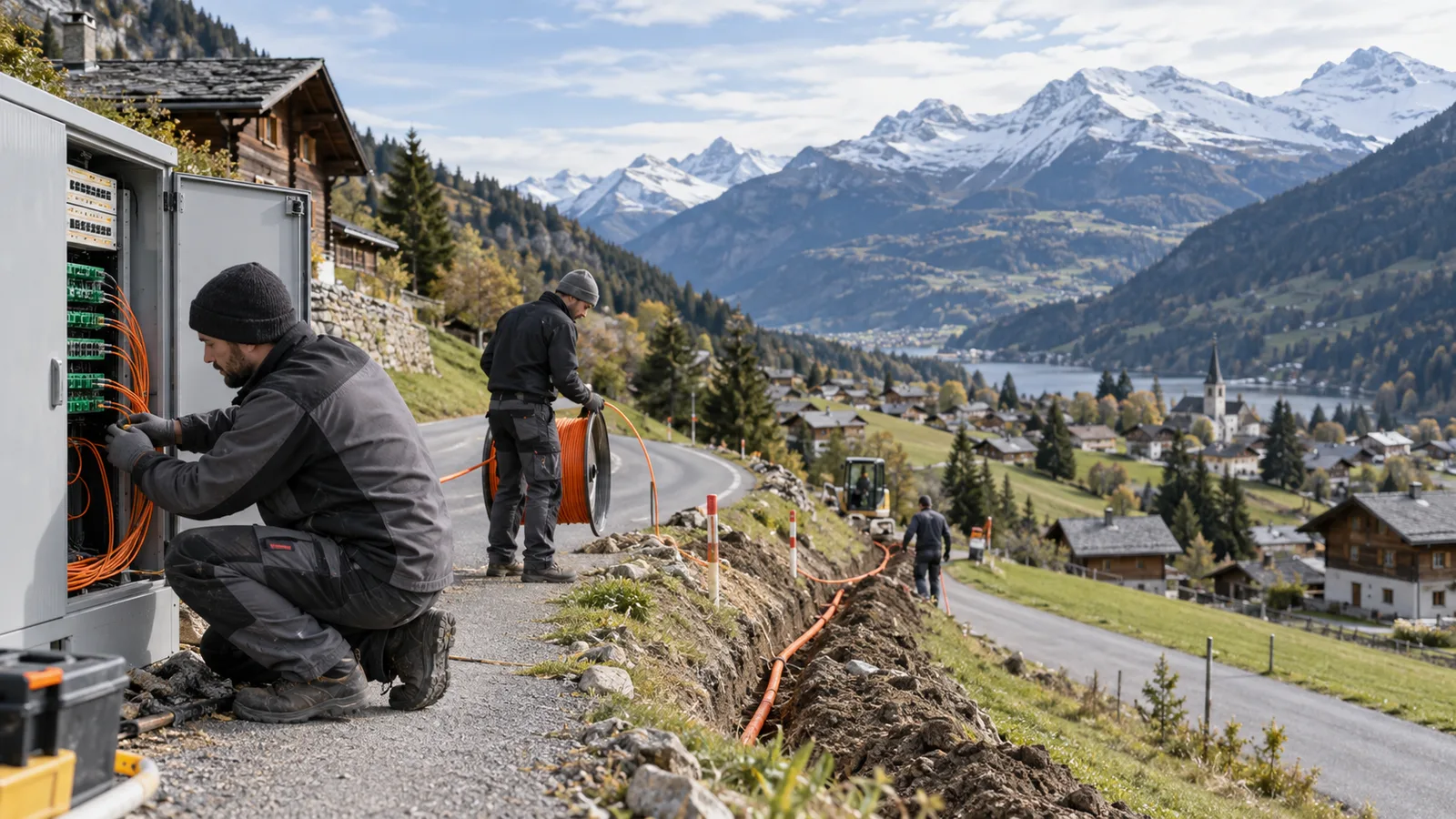
730 Million for Fiber Optic: Cantons Decide on Funding
Ten percent of households and businesses might not receive modern fixed-line access without support. The proposed funding model, however, reveals a cantonal gap.
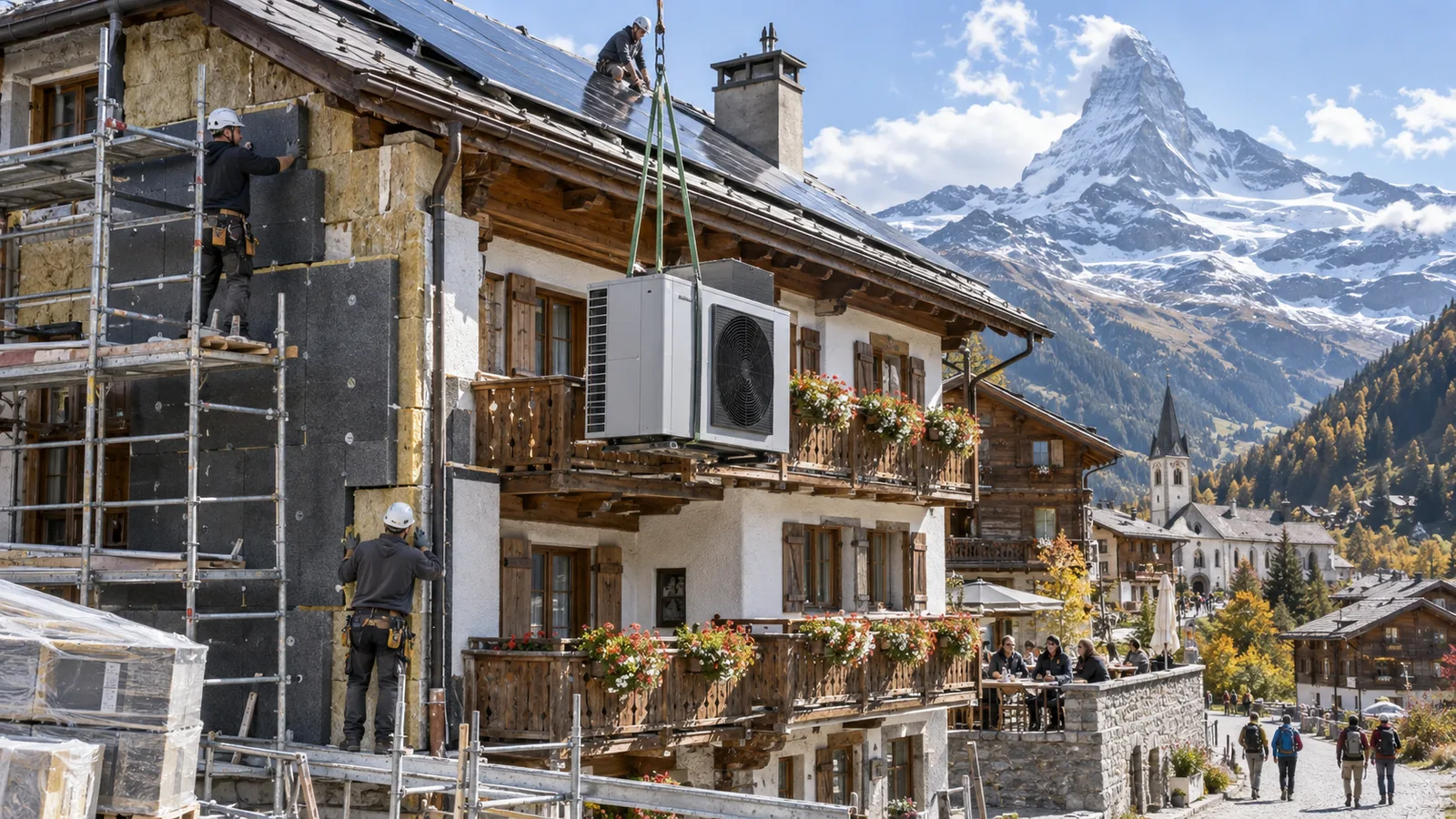
100 Million for Mountain Hotels: Rescue or Windfall Effect?
Over eight years, 100 million Swiss francs will flow into modernizing accommodation facilities in mountain regions. This can strengthen regions and save energy, but it risks funding projects that would have happened anyway.

Resort Staff Shortages Start With Housing
Swiss resorts seek staff, but seasonal workers struggle to find suitable housing. A new study reveals how this affects both guests and businesses.

Possible Salt Data Leak: The Real Risk Begins Afterwards
Names, addresses, phone numbers, and birth dates may have been compromised at Salt. This significantly raises the risk of convincing fraud attempts.

Switzerland Cuts Farm Data, Reduces Housing and Environment Surveys
The FSO discontinues agricultural and library surveys. Housing and environmental data will be collected less frequently, impacting policy, research, and the public.

PISA 2025: Strong Country, Unequal Opportunities
Switzerland remains a high-performing country in PISA. However, behind strong average scores, a dual challenge emerges: long-term declining performance and a significant influence of social background.

Home Ownership Becomes More Expensive – But Not Uniformly
Home ownership prices rose by 0.7 percent in the second quarter and were 3.5 percent higher than the previous year. This average conceals diverging developments for houses, apartments, and regions.

Reference Interest Rate Remains at 1.25 Percent: What Tenants Should Check Now
The mortgage reference interest rate remains unchanged. For many households, this news is still a reason to carefully review their rental agreement and past increases.

Bitcoin Suisse Reduces Staff: Crypto Hub Loses More Than Jobs
Bitcoin Suisse plans to cut up to half of its Swiss workforce. It is crucial whether development and regulatory expertise also leave with these positions.

When the State Co-Determines Prices
Health, electricity, public transport, or rents: A portion of Swiss household expenditures is not determined by the free market. A new federal report shows why blanket deregulation is not a simple savings formula.

Swiss Mandatory Costs Rise – Primarily Due to Premiums
Wage deductions remained almost stable over five years. Health insurance premiums, however, increased more than three times as much as the general price level.

First IBM Quantum Computer Arrives in Switzerland
An IBM Quantum System Two is set to become operational at CSCS in Lugano by late 2026. Switzerland will gain access to a strategic research infrastructure. Its primary value initially lies in knowledge, talent development, and realistic testing scenarios.

Fewer Children, Older Switzerland: The Silent Reckoning
Switzerland's birth rate fell below 1.3 children per woman in 2024 for the first time. A new federal working paper warns of consequences for the labor market, AHV, and public budgets – and against false expectations for individual family allowances.
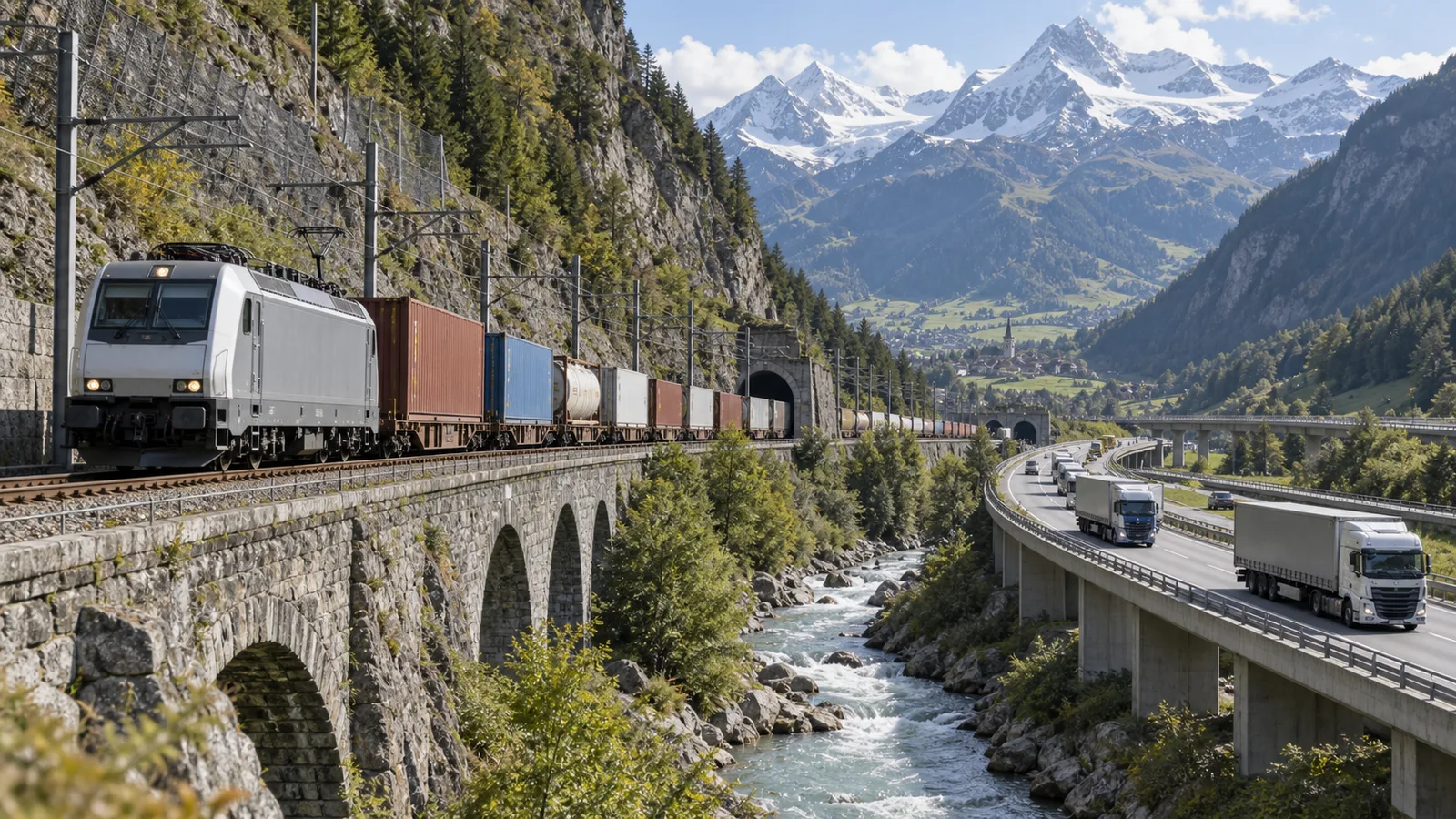
More Goods Through the Alps, But Rail Loses Share
In the first half of 2026, rail freight through the Alps increased, but road transport grew faster. This lowered rail's share to 68 percent. The issue extends beyond Swiss borders, impacting the country's long-standing modal shift policy.
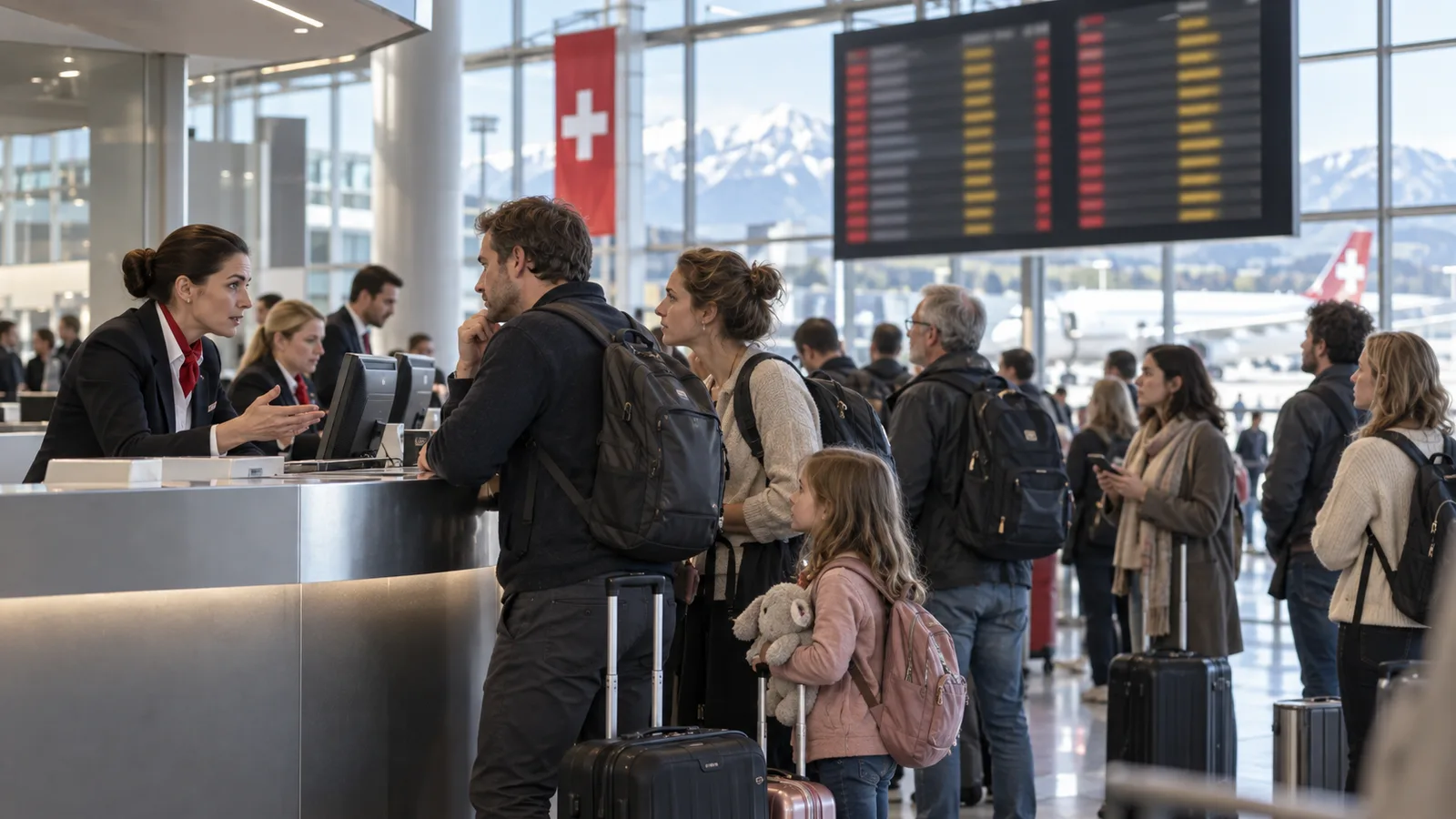
New EU Air Passenger Rights: What Swiss Passengers Can Expect
Three-hour delays remain the key threshold for compensation. New rules clarify assistance, rebooking, and family seating. For departures from Switzerland, current law differs from future adoption.

Electric Delivery Vans Allowed to Drive Faster from October
Electric delivery vans are often heavier than comparable diesel models due to their batteries. The Federal Government is therefore adapting traffic and working regulations, impacting businesses, parcel services, and road safety.

Pillar 3a: Catch-up Payments Possible for First Time in 2026
Missed contributions to tied private pension provisions can now be made up. This new flexibility is attractive but does not allow for arbitrary retroactive payments. The first catch-up opportunity is for the 2025 contribution year.

Why Fewer Swiss Travel to the USA
The number of Swiss travelers to the USA significantly decreased in the first half of the year. This decline demonstrates how political perception and border entry experiences influence tourist decisions.

Federal Government Seeks Digital Exit
Approximately 3,000 federal employees will trial open-source office software starting in late 2027. This project is not a radical system change, but a pragmatic test of Switzerland's digital operational capability.

Neutrality Initiative: What Switzerland Really Votes On Sept 27
On September 27, 2026, Switzerland will not decide whether to remain neutral, but how narrowly neutrality will be defined in the future. The consequences would extend far beyond military alliances.